


Birdwatching at Blackberry Hills
A field guide that moves with the forest.
Some birds announce themselves from the canopy. Others appear for a few seconds at the edge of a pathway. Use this page to learn the birds around Blackberry Hills, keep track of your own sightings and turn a quiet walk into a small treasure hunt.
Searchable, filterable and ready for your own sightings. Your progress is saved on this device.
Morning mission
One bird. One walk. No rush.
Pick a random bird before you step out. You do not have to find it. The point is to start noticing where you look, what you hear and how much is happening when you slow down.
Malabar Grey Hornbill
Kozhi vezhambal
Listen for a resonant call through the valley, then scan the canopy for a large slaty-brown bird with a long curved bill.
Birding by ear
Sometimes the first sighting is a sound.
Four birds worth listening for before you start scanning the trees.
Malabar Whistling Thrush
A rich dawn whistle that can sound uncannily human.
Coppersmith Barbet
A repeated tuk-tuk-tuk, like a tiny hammer somewhere in the canopy.
Malabar Grey Hornbill
A carrying voice that may reveal the bird before its silhouette does.
Southern Crow Pheasant
A low coop-coop from dense vegetation or the forest edge.
Small things worth knowing
Bird trivia for the path.
Good birding is full of tiny clues. A tail shape, a bill, a patch of colour or a repeated sound can be more useful than trying to memorise an entire bird.
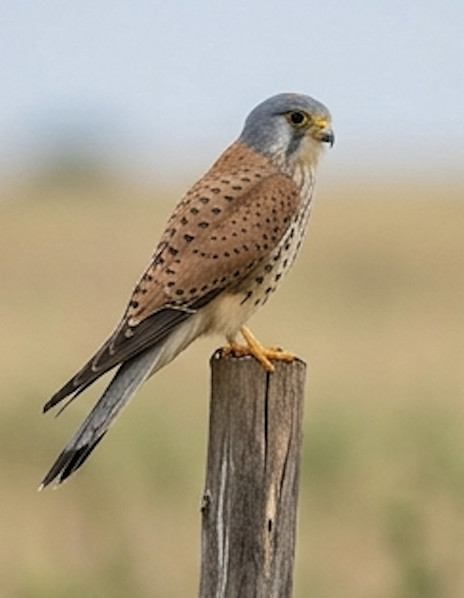
The kestrel can appear to hover in place.
Rapid wingbeats let it hold position while it watches the ground below for prey.
Not every bird is in the canopy.
Painted Bush Quail, Grey Junglefowl and Southern Crow Pheasant can all reward attention to the ground and low cover.
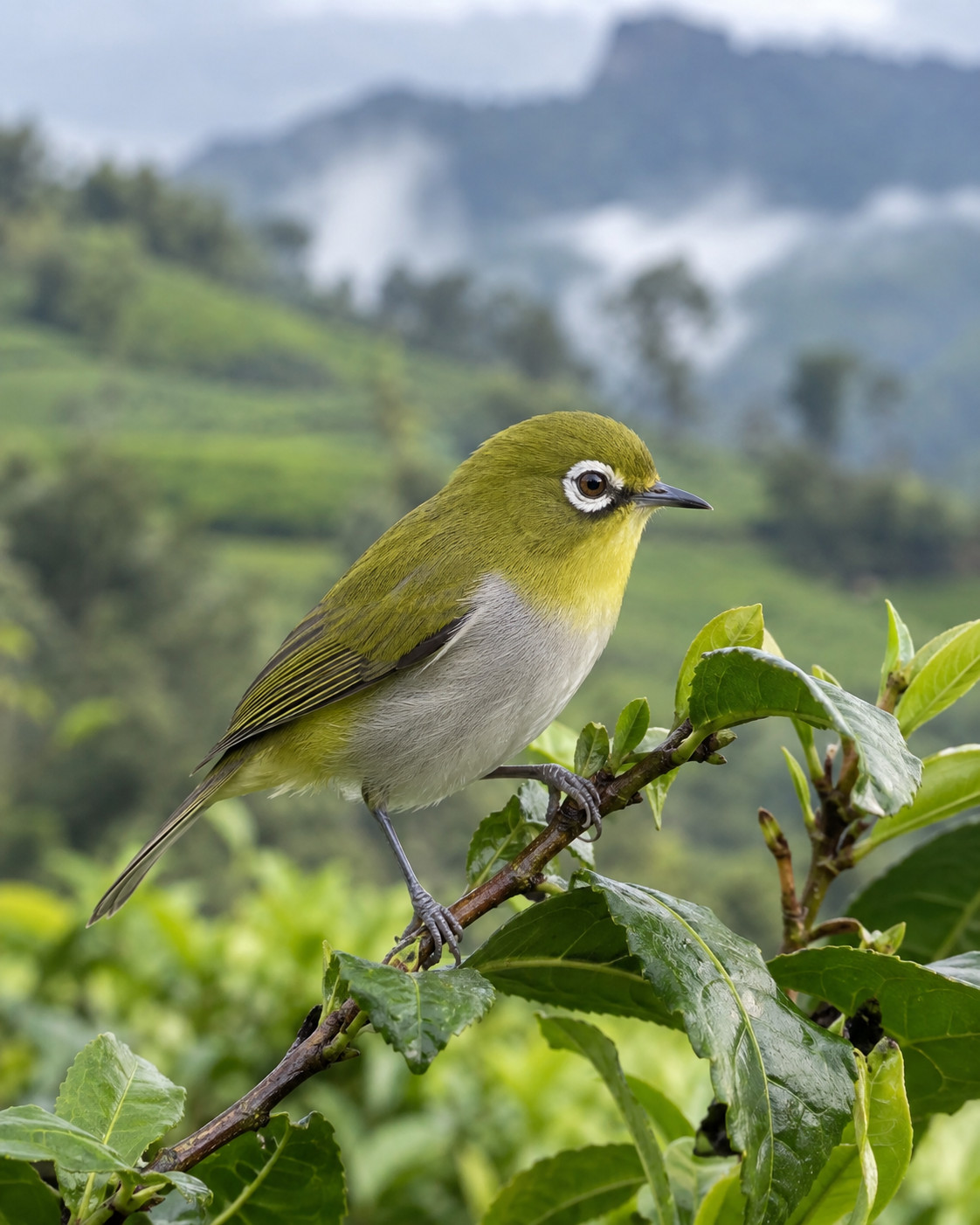
A white eye-ring can solve an ID instantly.
The tiny White Eye is named for the conspicuous pale ring around its eye.
Bird bingo
Can you mark three in a row?
Tap a square when you spot the bird. These marks are tied to your sightings in the field guide below.
Complete field guide
Find a bird.
Every bird is visible by default. Search and filters simply narrow the list, so the guide still works even if interactive features are unavailable.
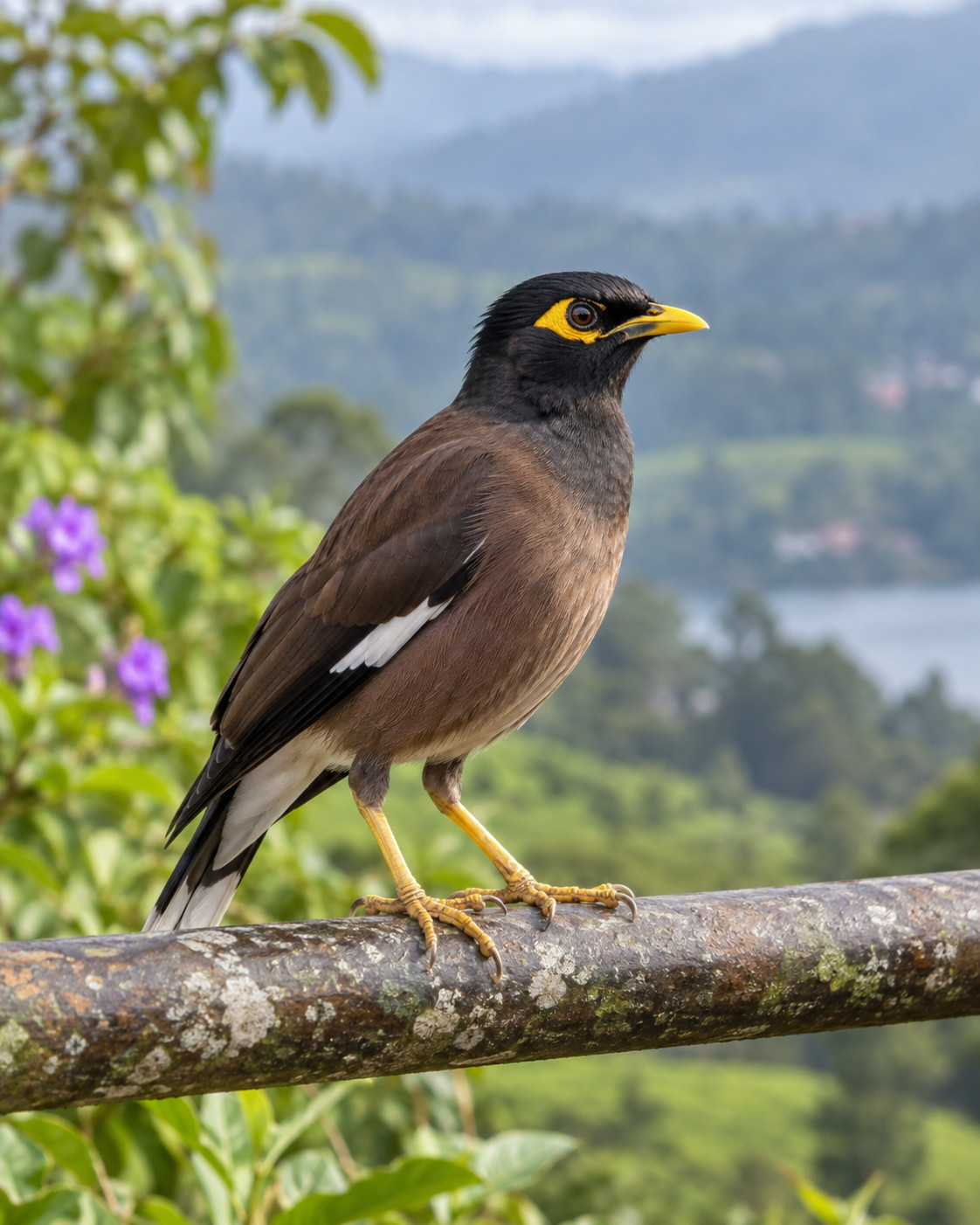
01
Common Indian Myna
Kavalam Kili, Madatha, Nattumyna
Dark brown with a black head, bright yellow bill and legs, bare skin around the eyes and a conspicuous white wing patch. Often seen in pairs.
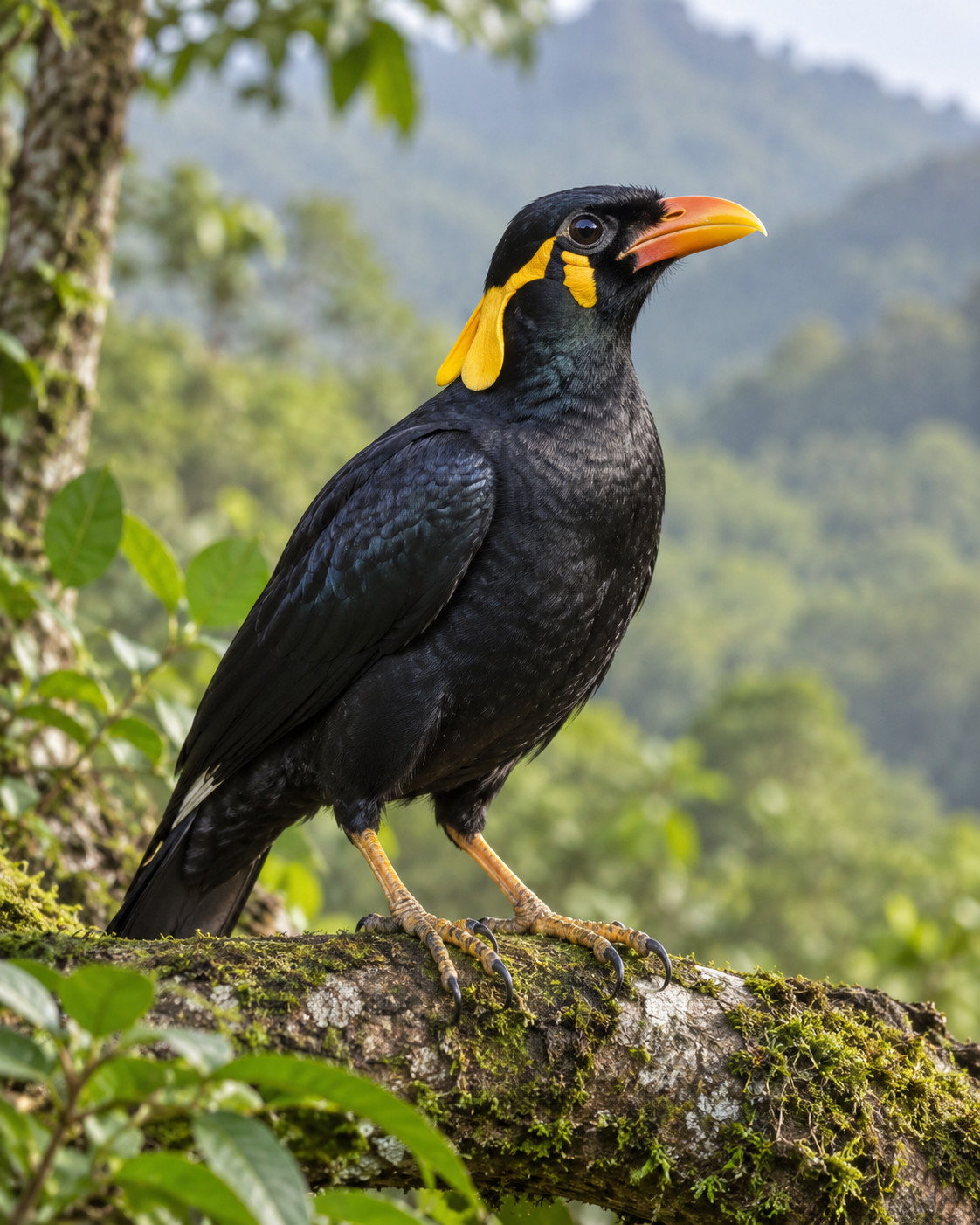
02
Southern Hill Myna or Southern Grackle
Kattu Myna
Glossy purple-green plumage with a white wing patch and bright orange-yellow facial skin. Loud, varied calls are a useful clue.
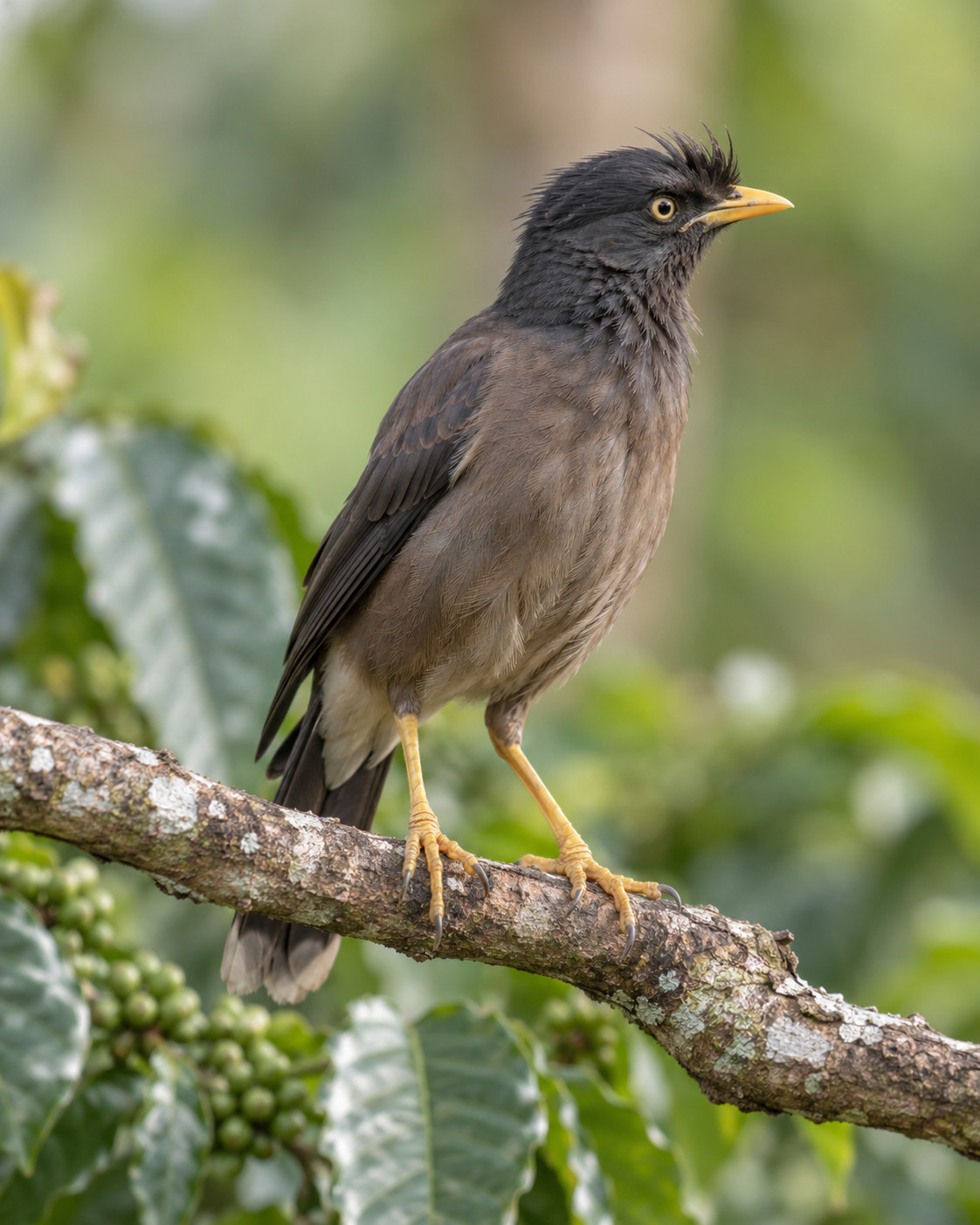
03
Southern Jungle Myna
Kinnarimyna
Grey-brown and slightly darker than the common myna, with an erectile tuft on the forehead and large white wing patches visible in flight.
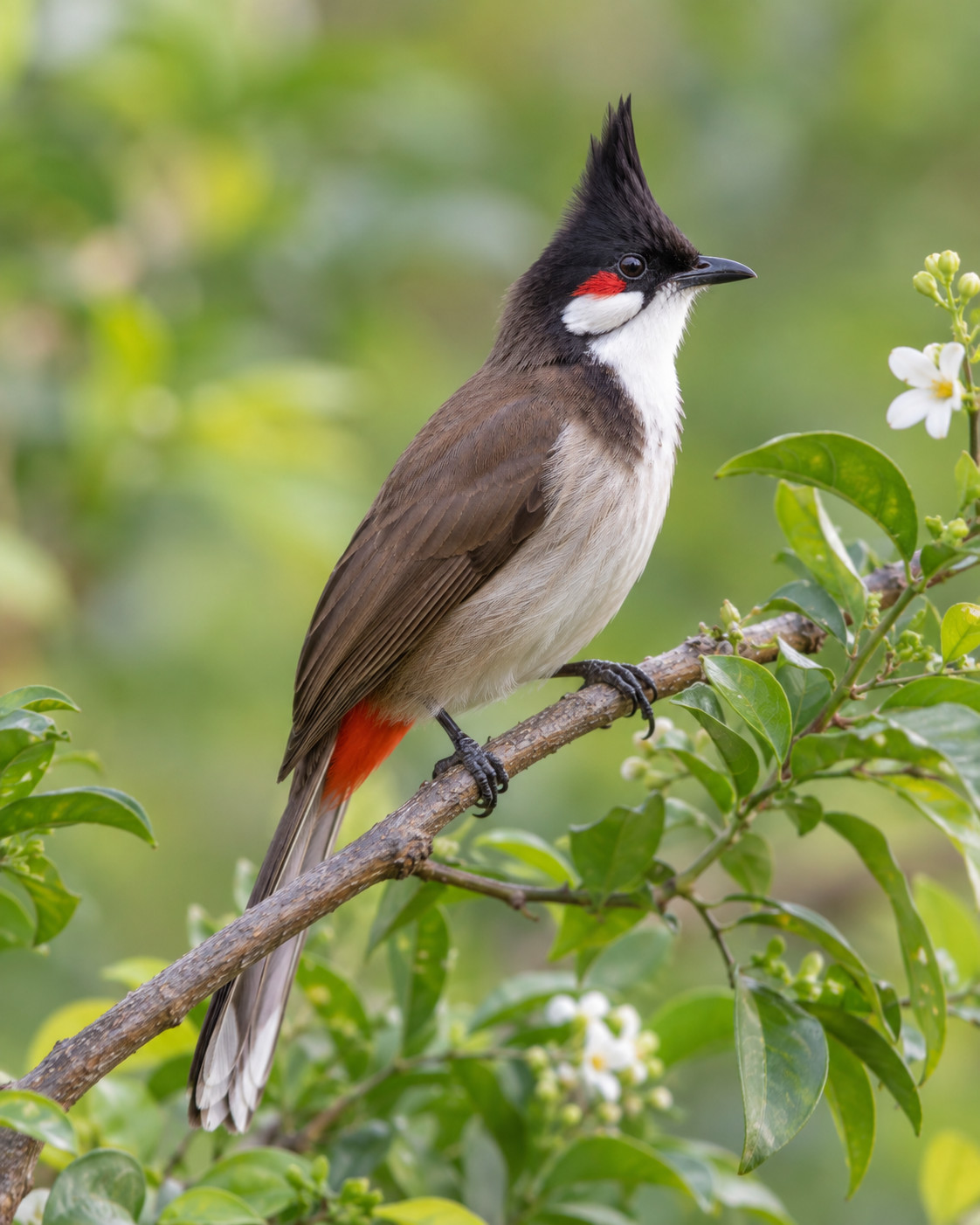
04
Red Whiskered Bulbul
Irattathalachy
Recognised by its pointed black crest, white underparts, red whisker patch and crimson below the tail.
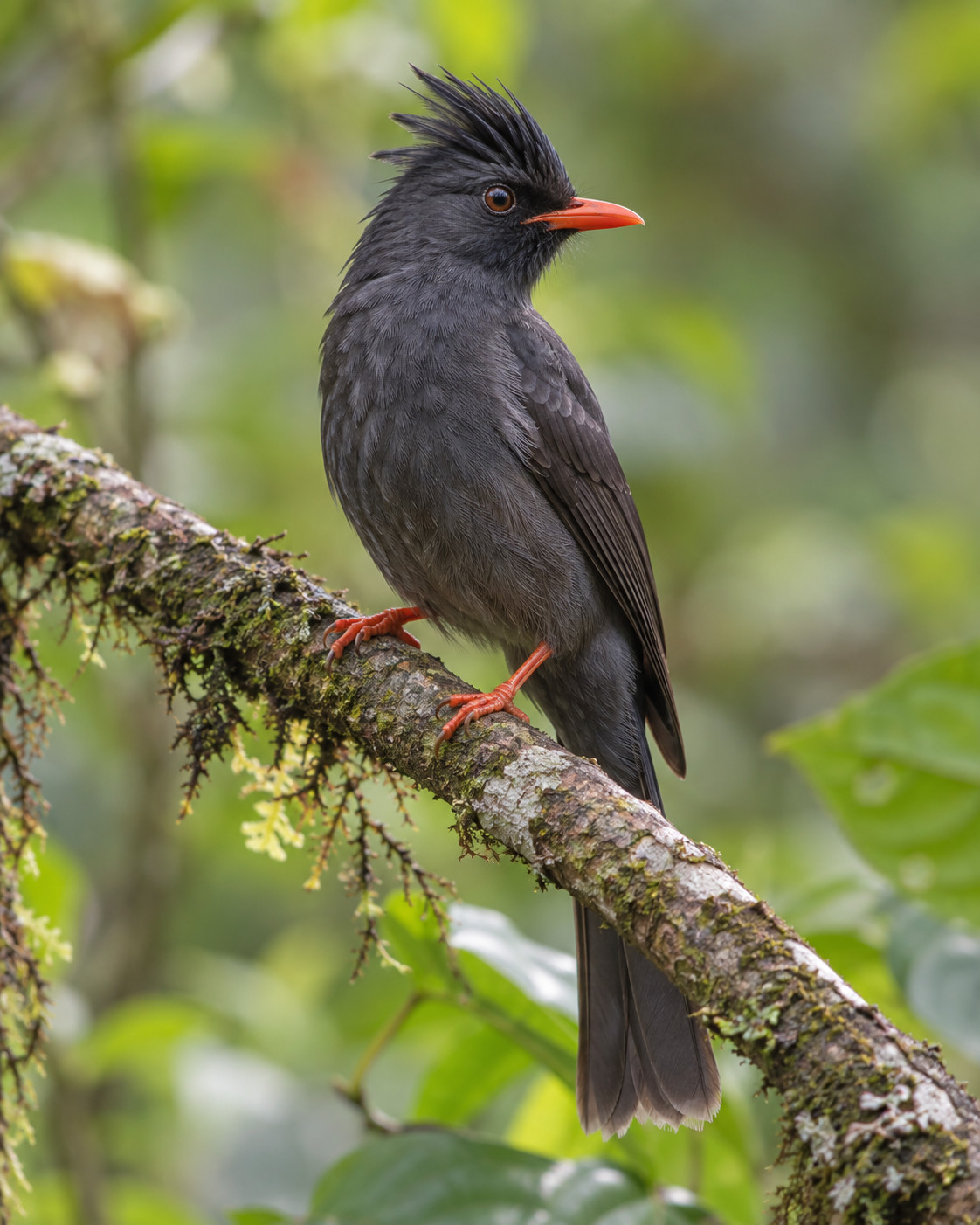
05
South Indian Black Bulbul
Myna bulbul, Karimpan kuttu bulbul
Dark slate coloured, slightly slender, with a pointed crest, red bill and legs. Often moves noisily through leafy treetops.
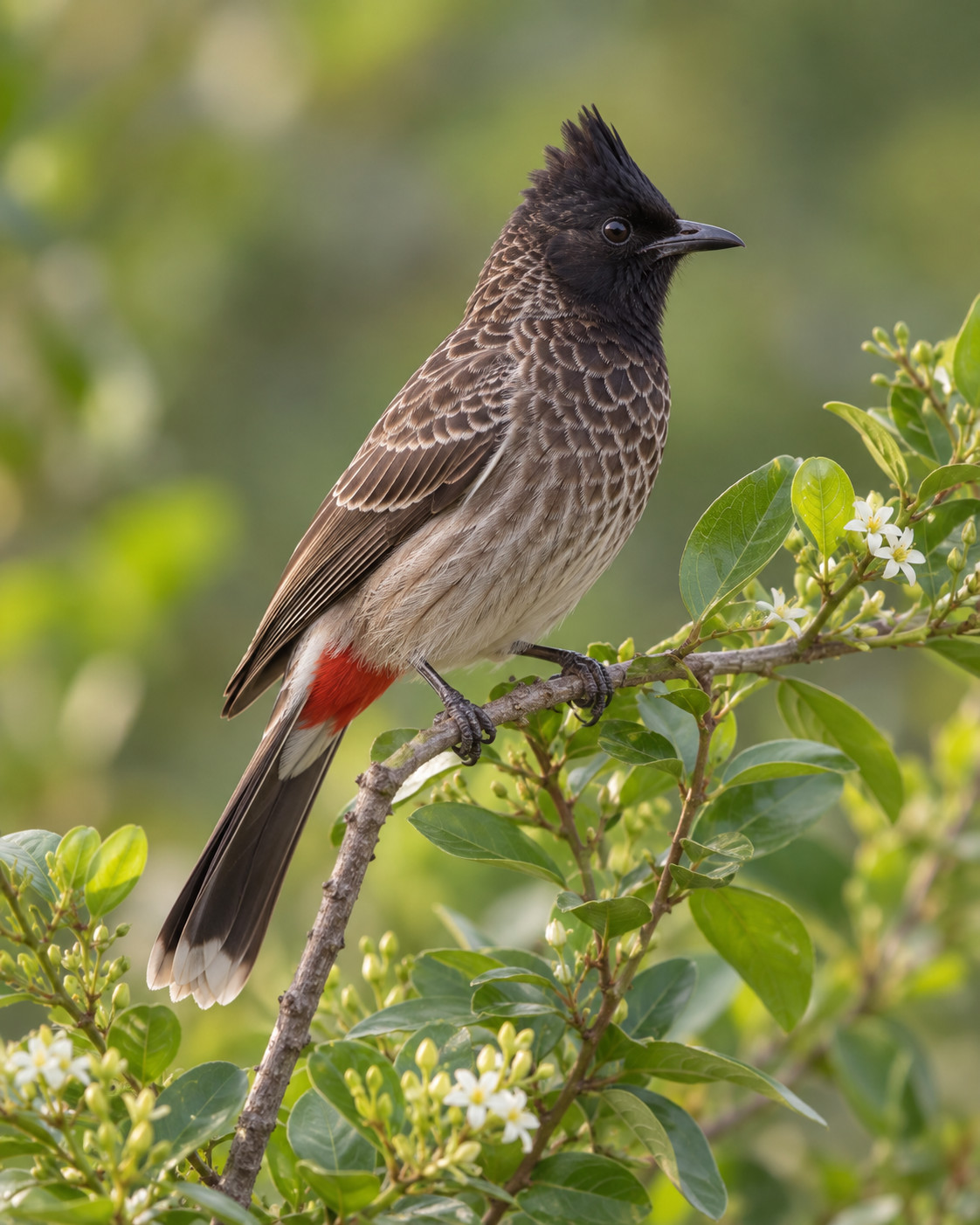
06
South Indian Redvented Bulbul
Nattubulbul
Smoke-brown with a partially crested black head, scale-like breast markings and a conspicuous crimson patch below the tail.
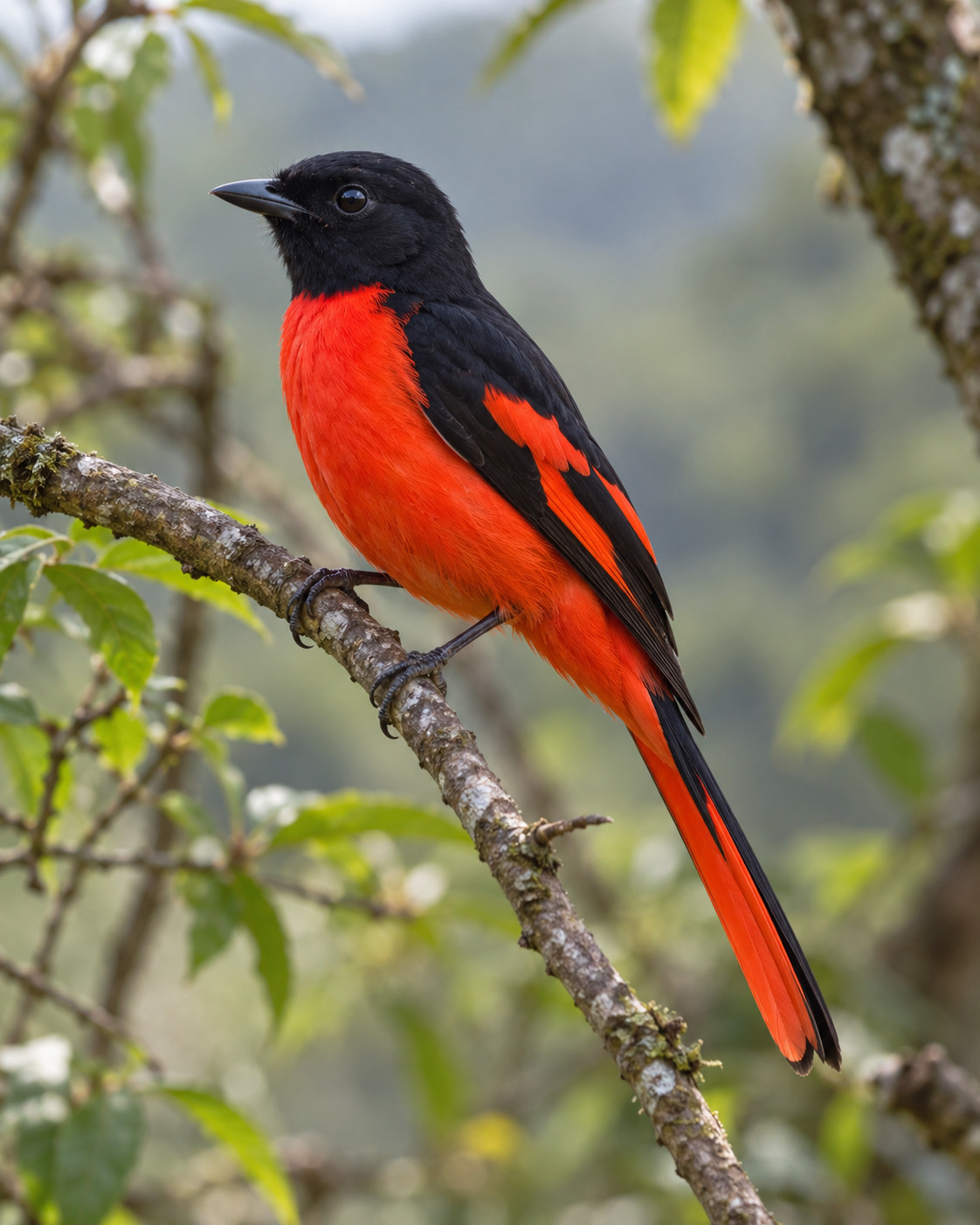
07
Scarlet Minivet
Theekuruvi
A slim, brilliant treetop bird. Adult males are black and scarlet; females are greyer with orange-scarlet and yellow.
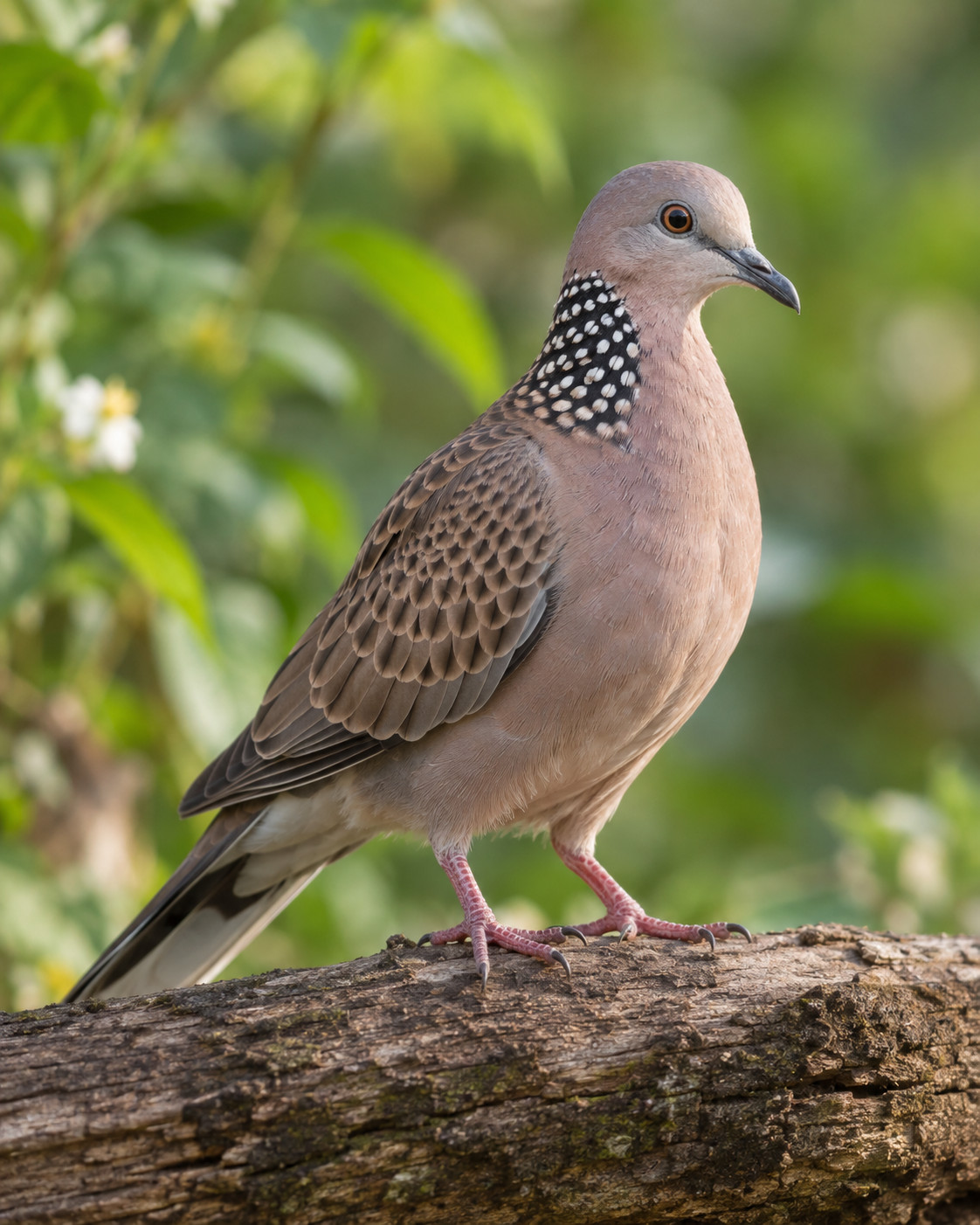
08
Spotted Dove
Aripravu, Chakkarakuttapravu
A slender pinkish-brown and grey pigeon with a spotted black-and-white neck patch and white on the abdomen and tail edges.
09
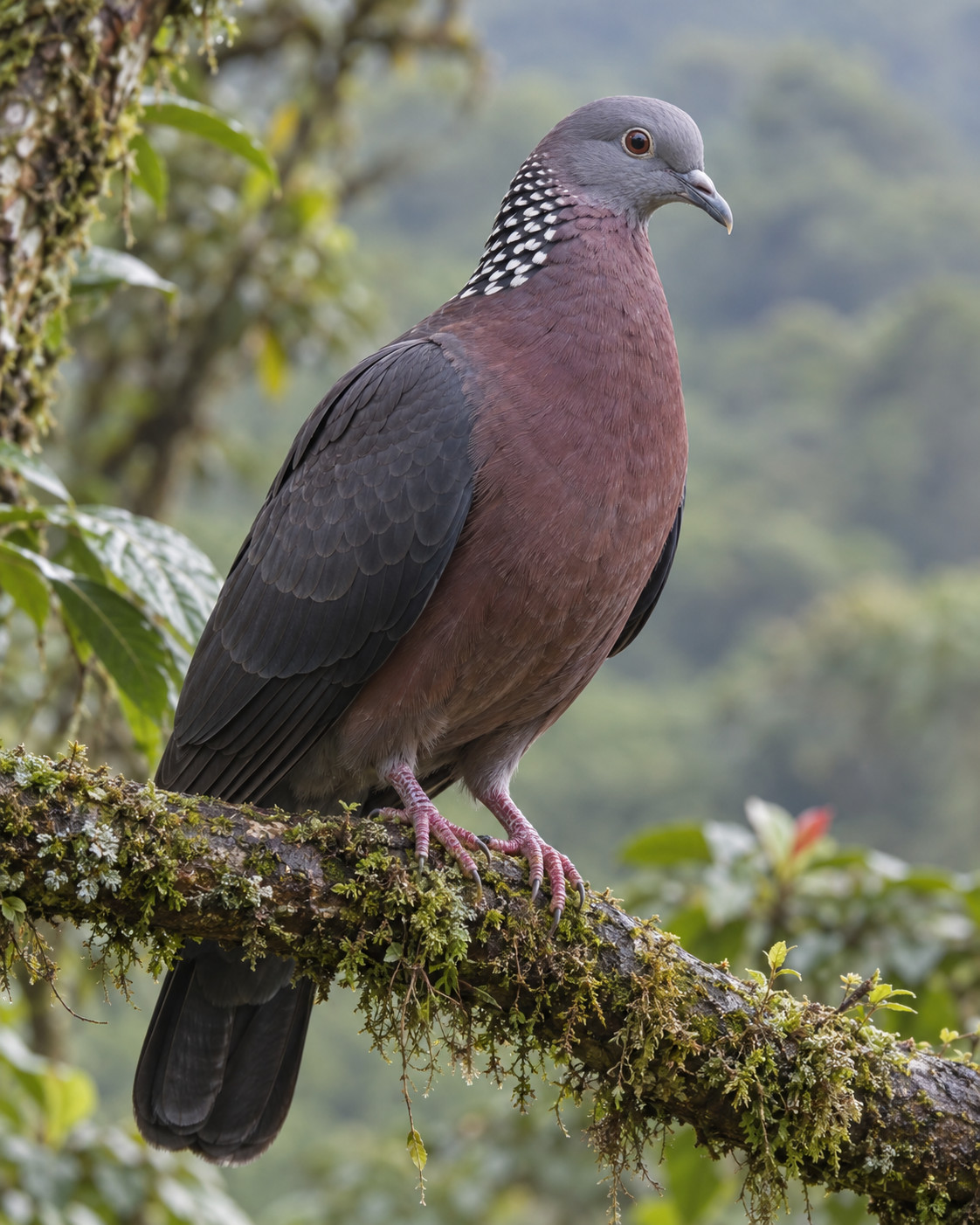
Nilgiri Wood Pigeon
Marapravu
A large pigeon with a grey head, black-and-white chequered hind neck and rich brown upperparts with a metallic sheen.
10
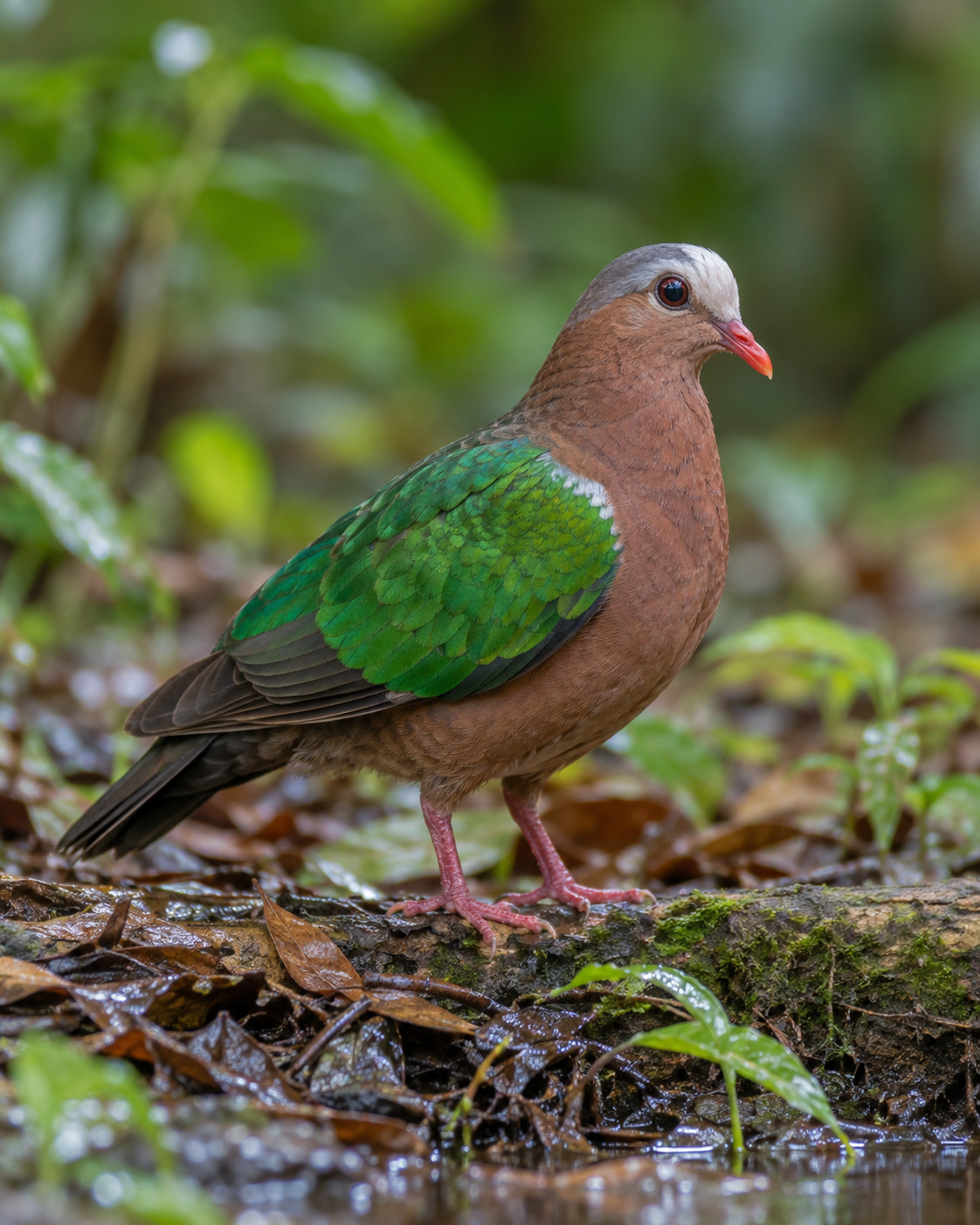
Emerald Dove
Omanapravu
Brownish pink with glistening emerald-bronze upperparts, a white forehead and eyebrow, and pale bars on the wings.
11
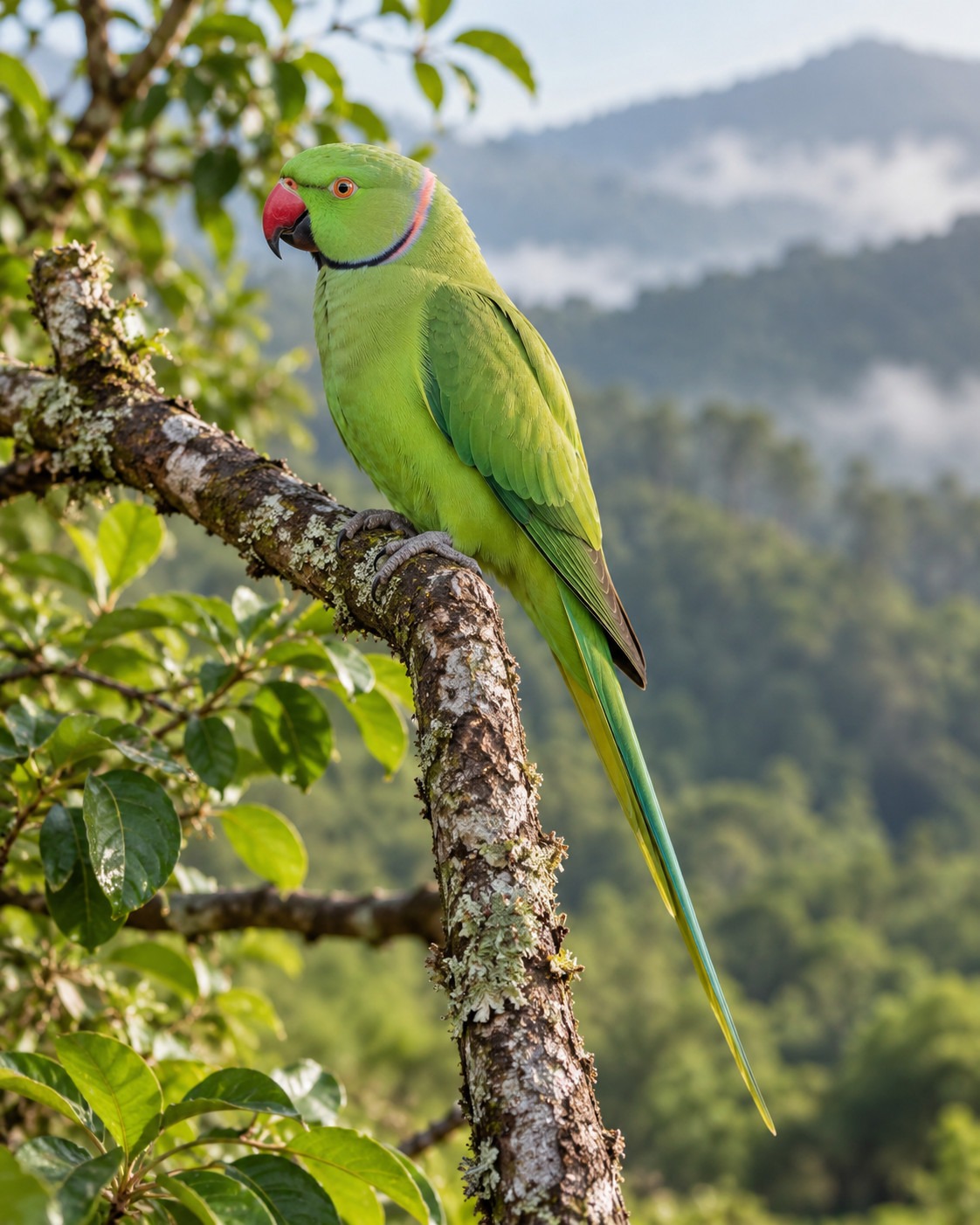
Parakeet
Poomthatha
Slender grass-green or yellowish-green parakeet with a long pointed tail and very fast, direct flight.
12
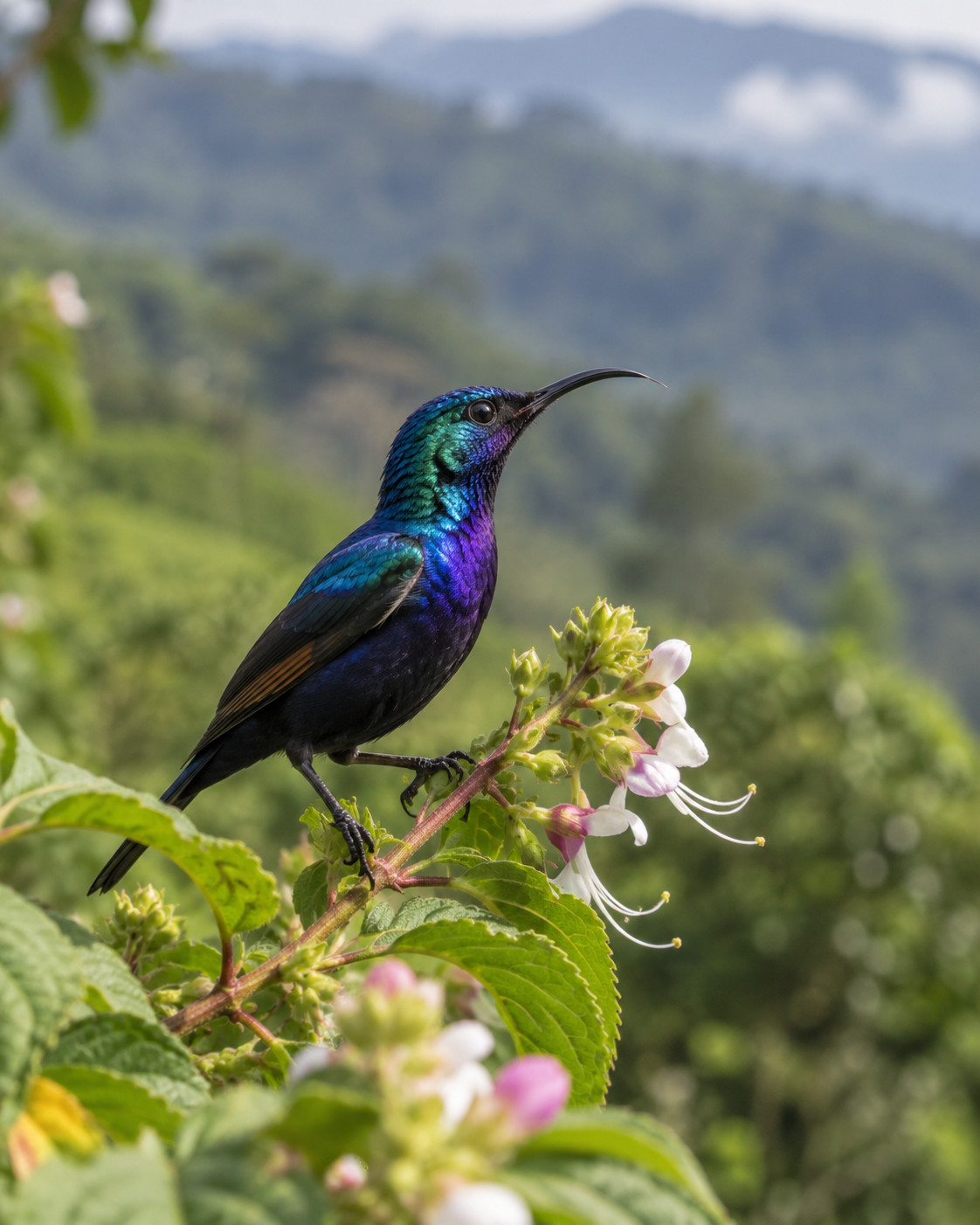
Sunbirds
Thenkili
Tiny nectar-feeders with long, narrow, down-curved bills. Males may show bright colours while females are generally olive above and yellow below.
13
White Eye
Vellikannikuruvi
A tiny square-tailed greenish-yellow bird with a conspicuous white ring around the eye. Often seen in parties or flocks.
14
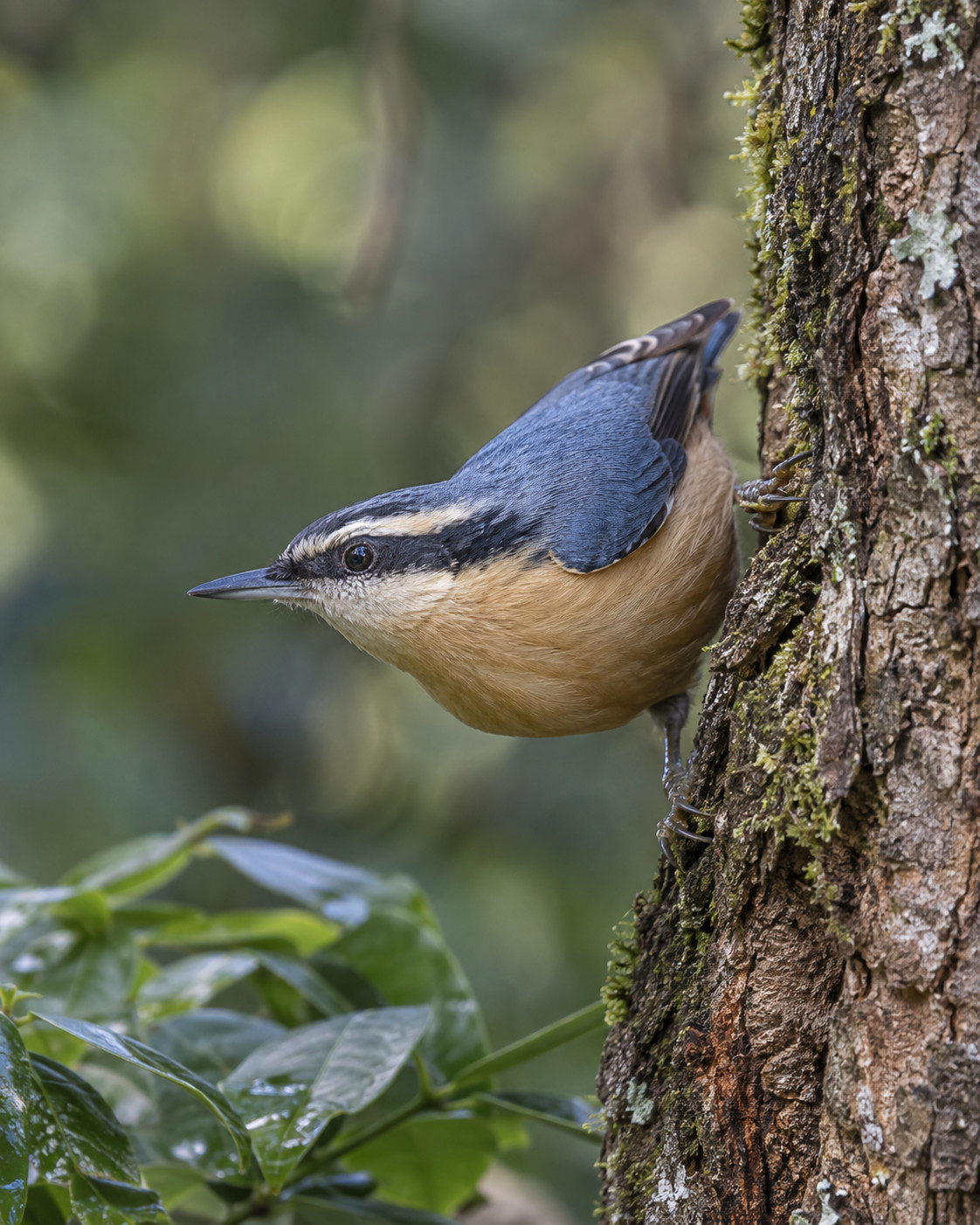
Velvet Fronted Nuthatch
Tandon kili, Goulikili
Purple-blue above with greyish lilac underparts, a coral-red bill and a velvety black forehead. Active on trunks and branches.
15
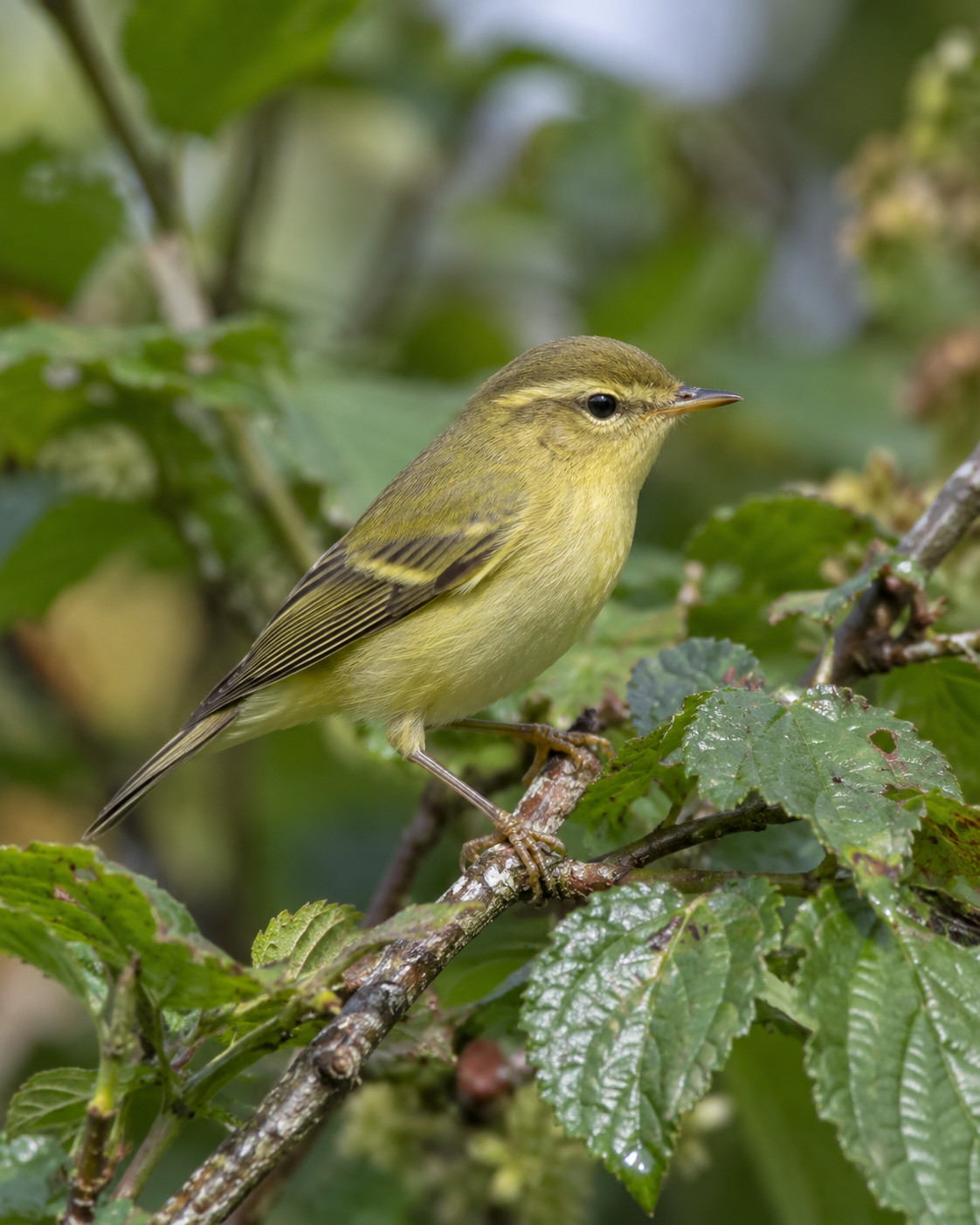
Tickell’s Leaf Warbler
Podikuruvi
A restless olive-brown bird, brighter yellow below, often flicking its wings nervously as it searches for insects.
16
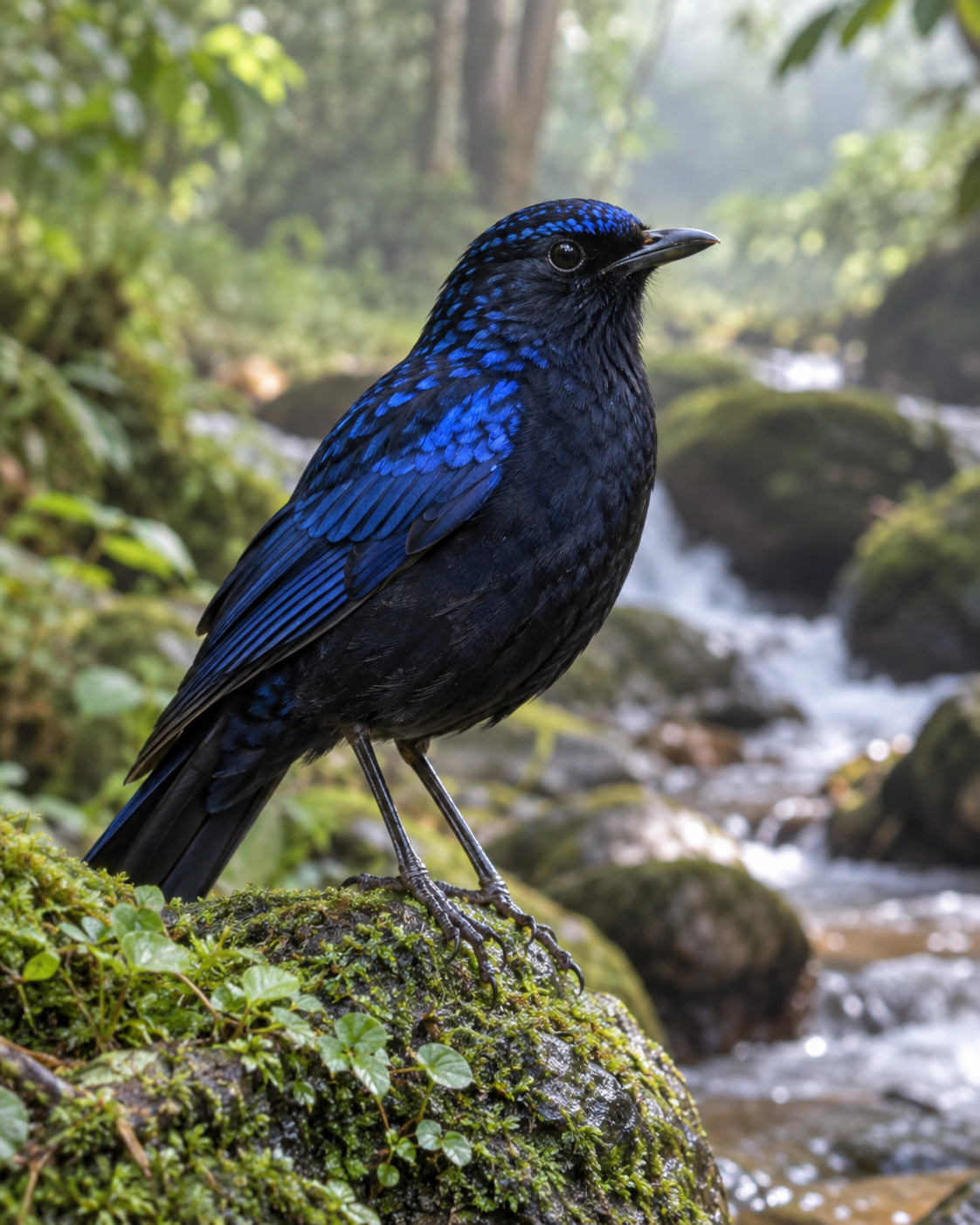
Malabar Whistling Thrush
Choolakaka
A glistening blue-black thrush with cobalt highlights and a rich, human-like whistling song.
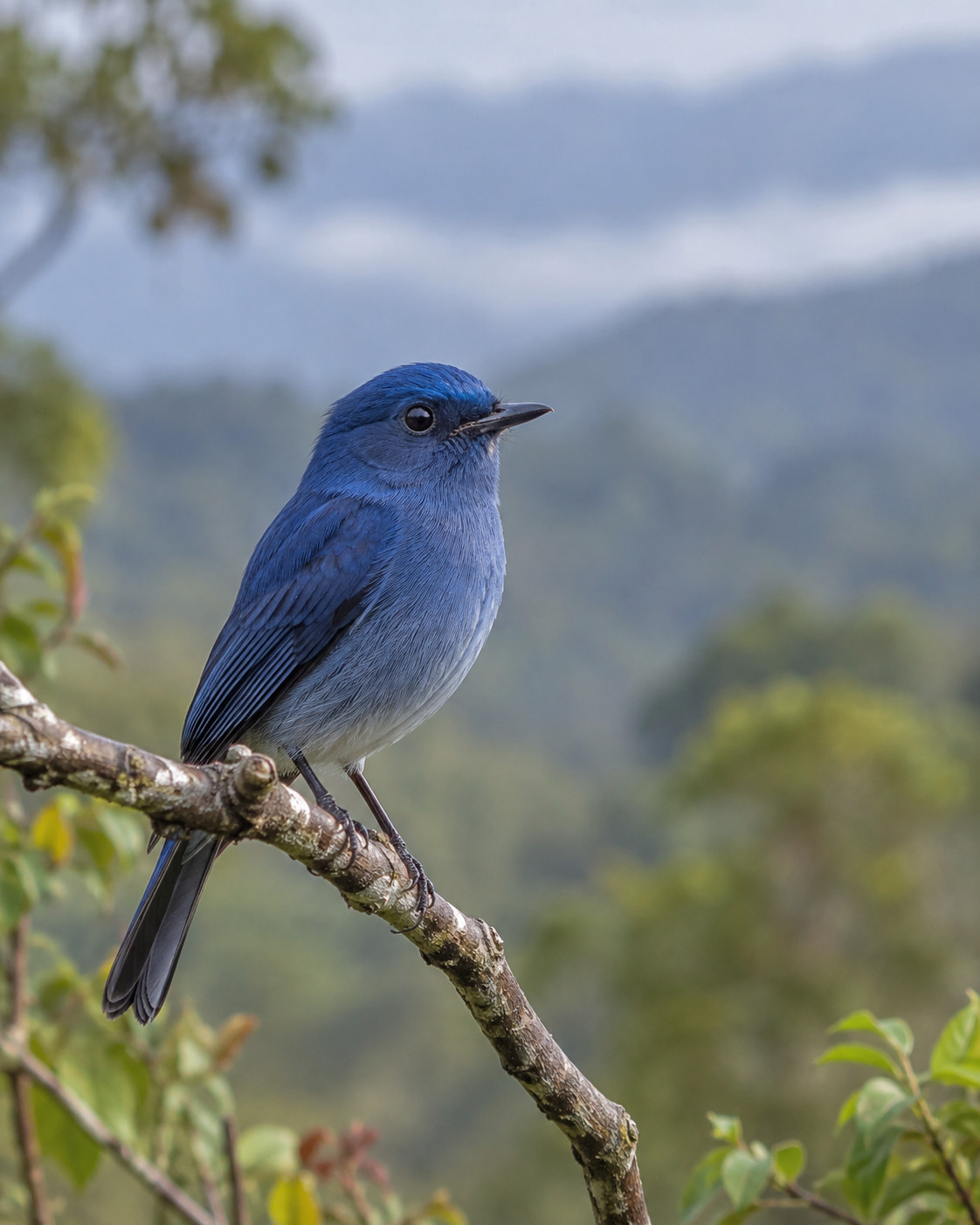
17
Nilgiri Flycatcher
Neelakilipattapidian
About sparrow-sized. Males are dark grey-brown washed with bluish green; females are duller.
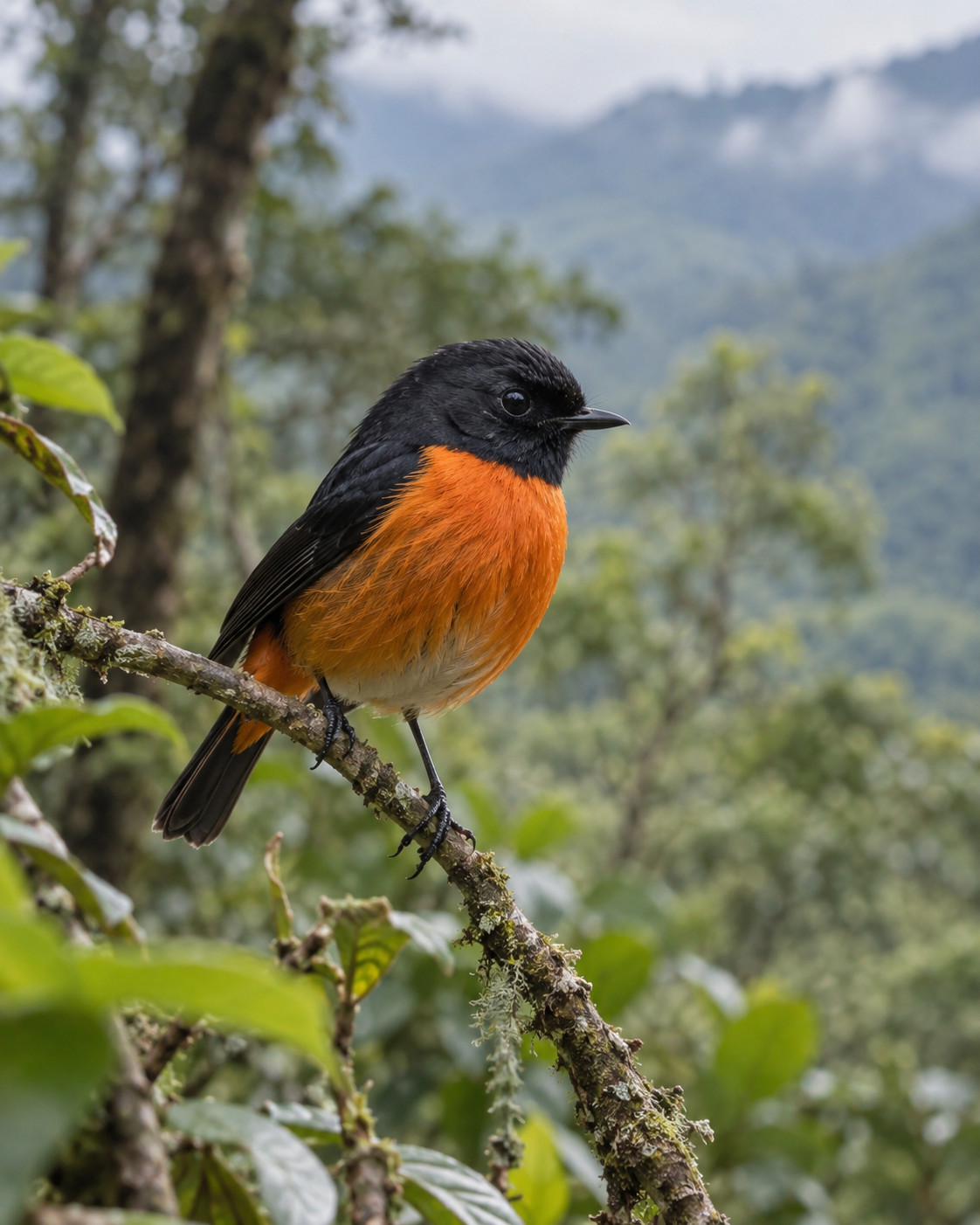
18
Black & Orange Flycatcher
Maenypakshi, Karimchemban paatapidian
A striking flycatcher with black and orange plumage, usually keeping to the understory and low bushes.
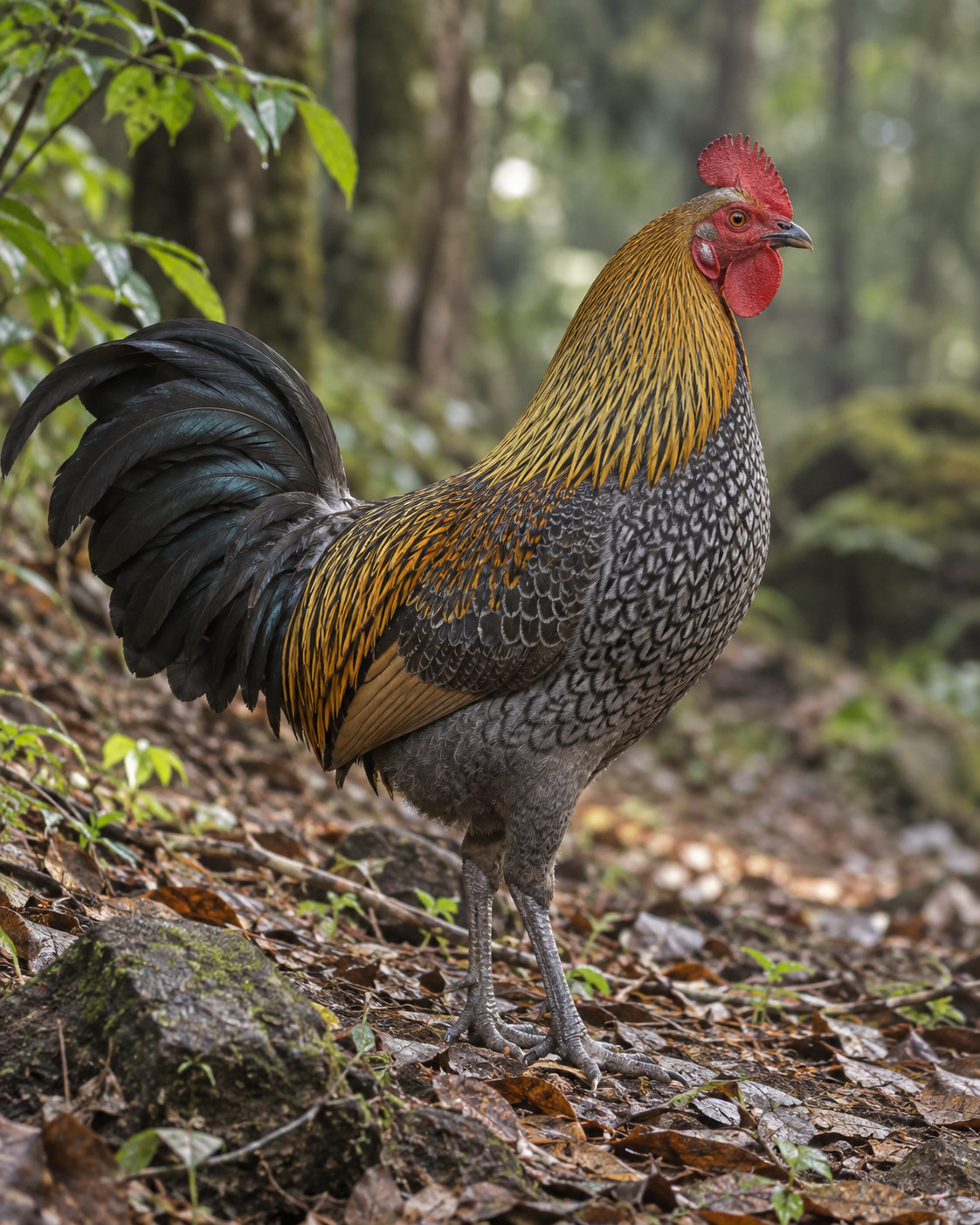
19
Grey Junglefowl
Kattukozhi
Domestic-hen sized. Males show crested grey plumage with a metallic dark tail; females are brown with pale streaks.
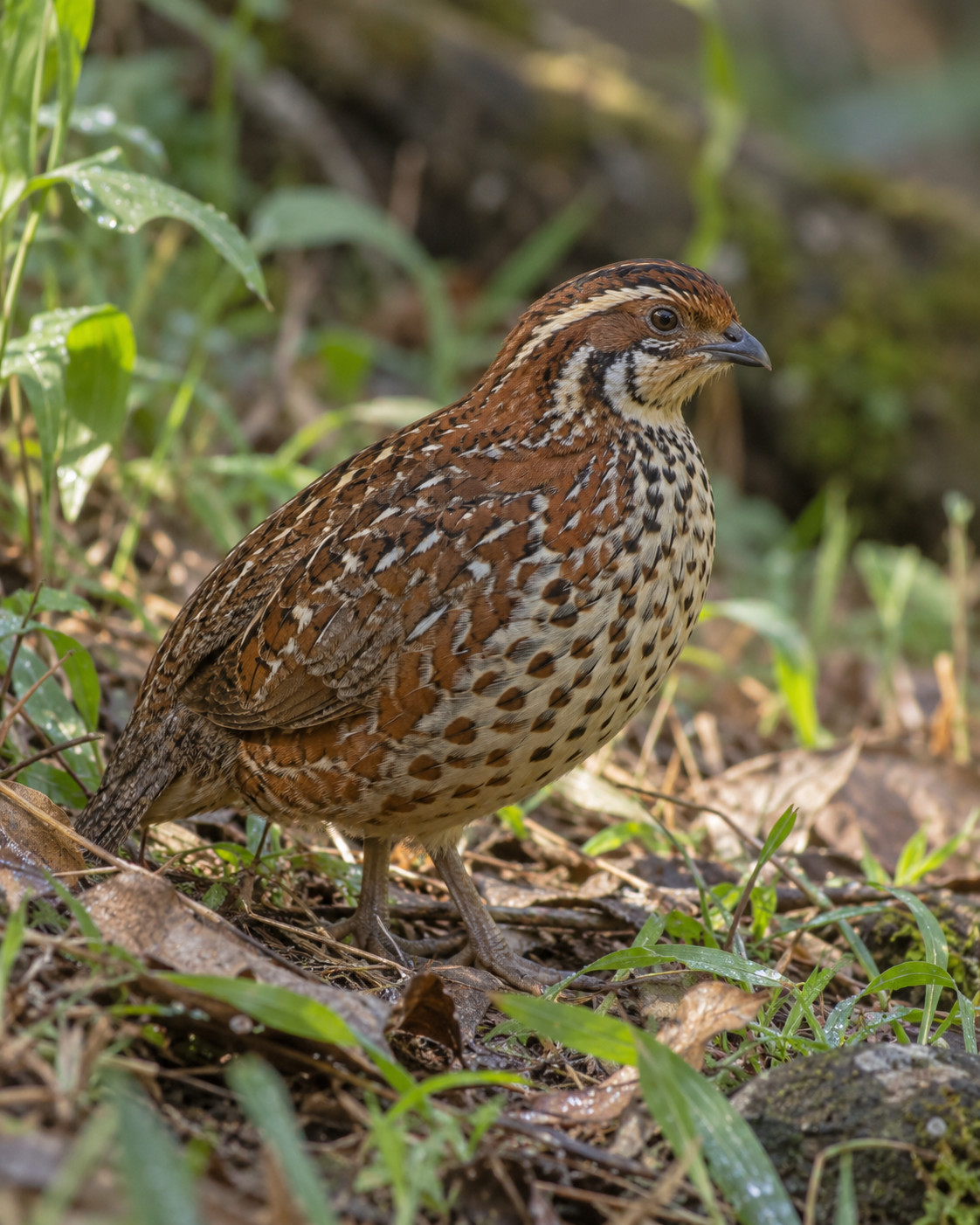
20
Painted Bush Quail
Manykkada
A colourful small quail that may keep in small groups and emerge in the morning or evening to dust itself.
21
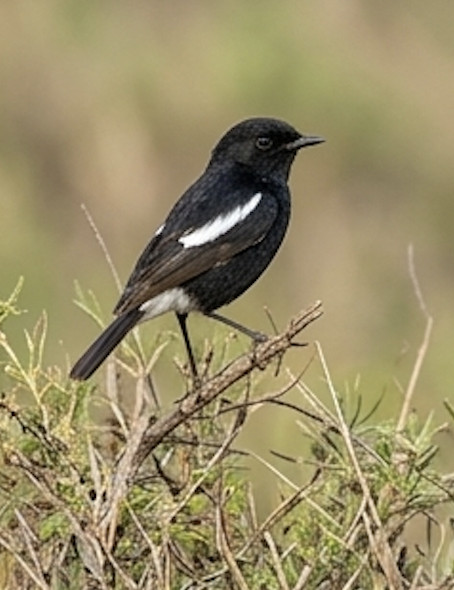
Pied Bush Chat
Chuttendalkili
Males are jet black with white rump and wing patches; females are earthy brown with a paler rusty rump.
22
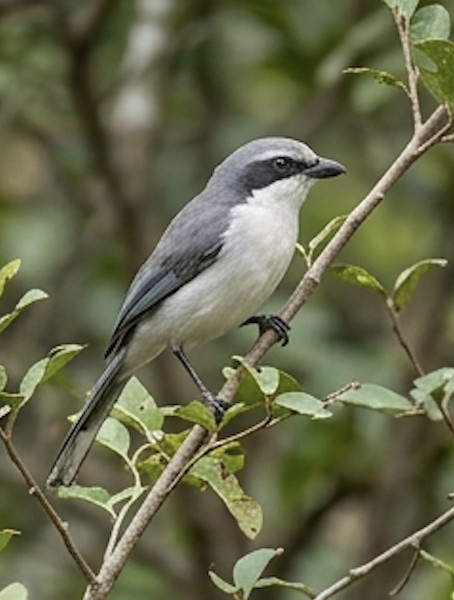
Pied Bush Shrike
Asurappottan
A small black-and-white flycatcher-like bird, often holding a hunched perch posture while hunting insects.
23
Indian Kestrel
Virayan pullu
A richly coloured small falcon, often rusty-toned, famous for hovering in place before dropping onto prey.
24
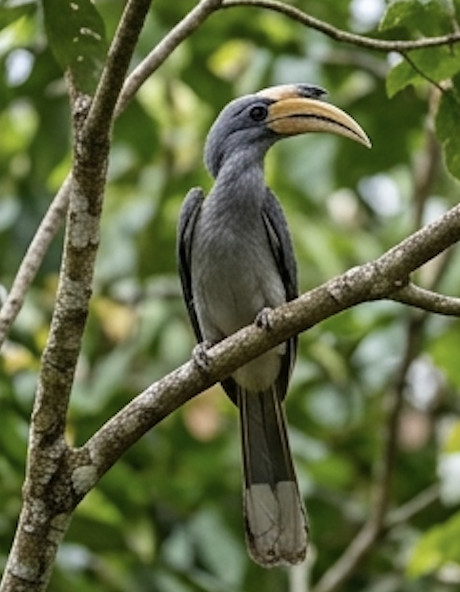
Malabar Grey Hornbill
Kozhi vezhambal
A large slaty-brown hill bird with a long curved bill, often encountered in pairs or flocks.
25
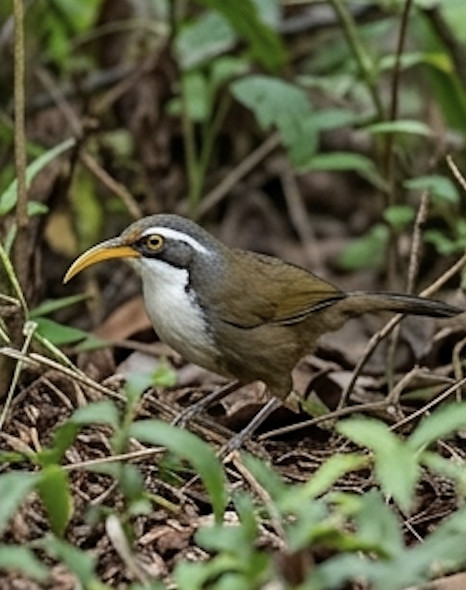
Kerala Scimitar Babbler
Cholakuduvan
Dark olive-brown with white throat and breast, a prominent white eyebrow and a curved yellow bill. Often moves through dense cover.
26
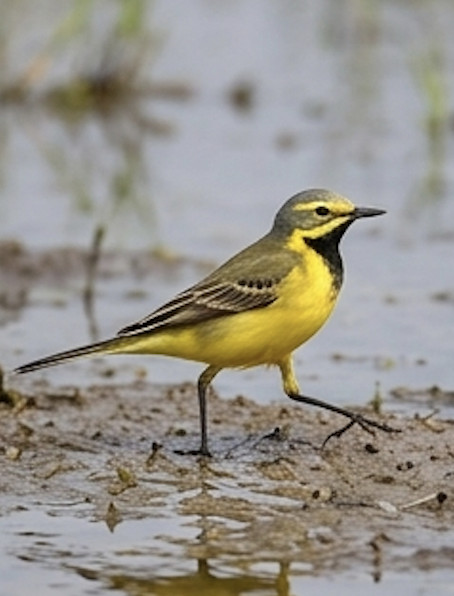
Yellow Wagtail
Charathalayan valkuruvi
Bright olive-green above and yellow below, with grey crown and eye area.
27
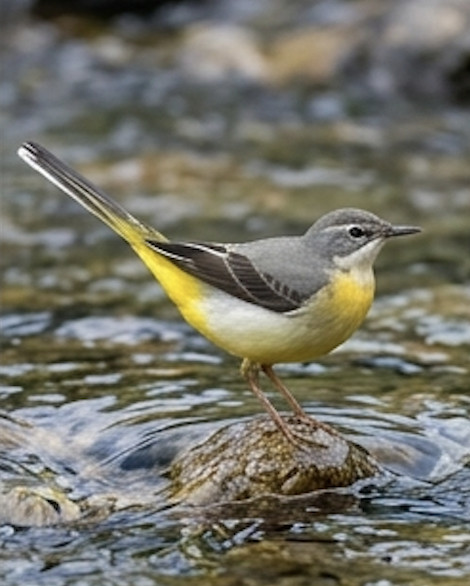
Grey Wagtail
Valkulukki
Blue-grey above with a pale eyebrow and yellow underparts. Often associated with forest roads and small streams.
28
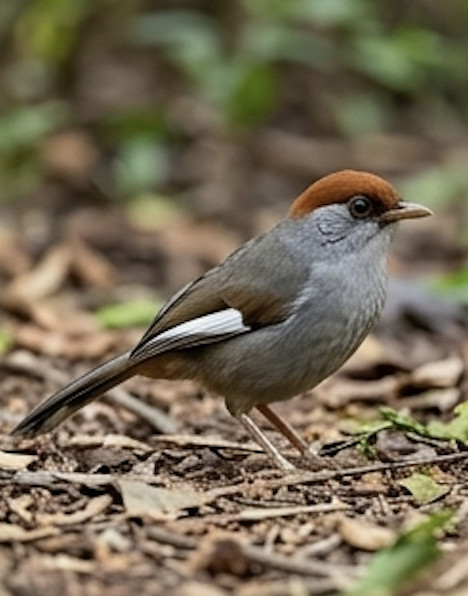
Grey Breasted Laughing Thrush
Chiluchilappan vadakkan
A crested olive-brown bird with rufous underparts and a conspicuous white eyebrow with black lines.
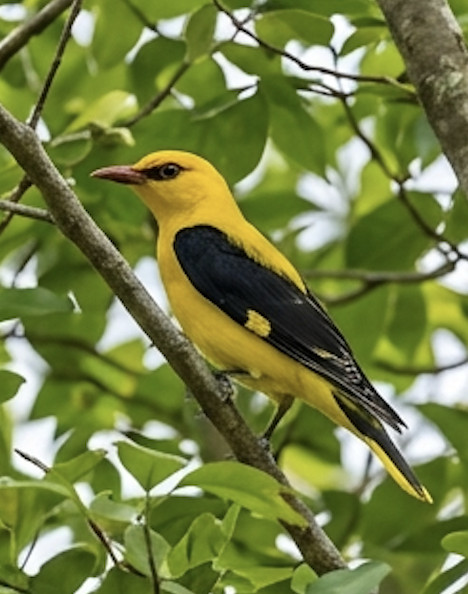
29
Golden Oriole
Manjakkili
Bright golden yellow with black wings and tail and a dark streak through the eye. Usually seen high in trees.
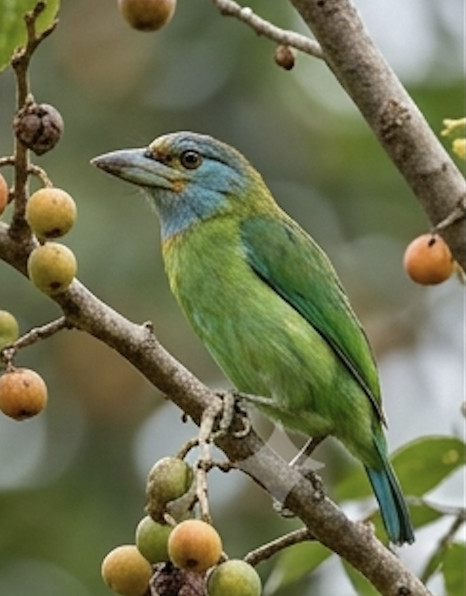
30
Small Green Barbet
Chinnakkutturuvi
Green with dark head markings, a pale eyebrow and whitish throat and breast.
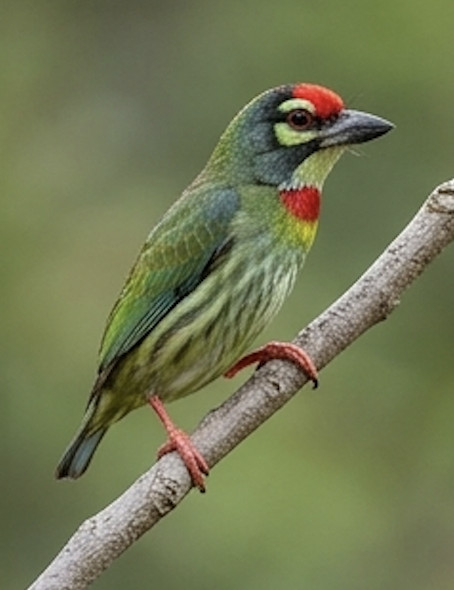
31
Coppersmith Barbet
Chembukotti
A heavy-billed green bird with yellow throat and a red-streaked crown and breast.
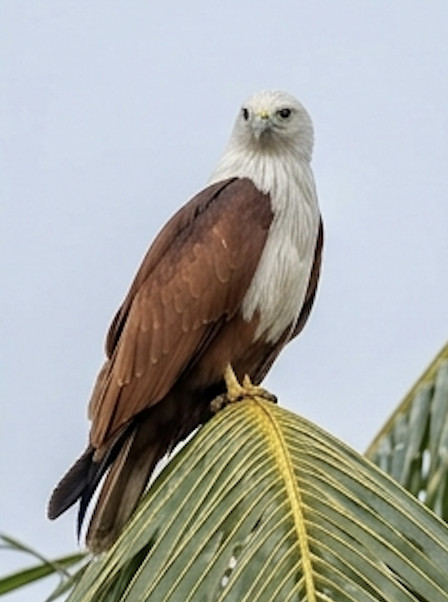
32
Brahminy Kite
Garudan, Krishnapparunthu
A rusty red or deep chestnut raptor with a white head, neck and breast.
33
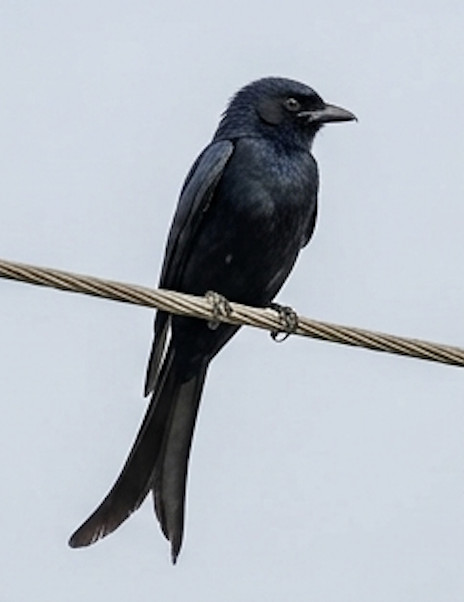
Black Drongo
Anaranthi, Kakathampruriti
Glossy jet black with a deeply forked tail. Watches for insects from exposed perches and captures prey in the air.
34
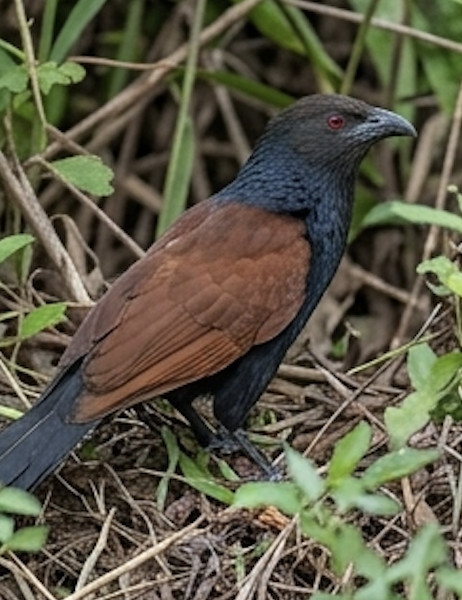
Southern Crow Pheasant
Uppan, Chempoth
Jungle-crow sized, glossy black with chestnut wings and a long tail. Often walks through undergrowth.
35
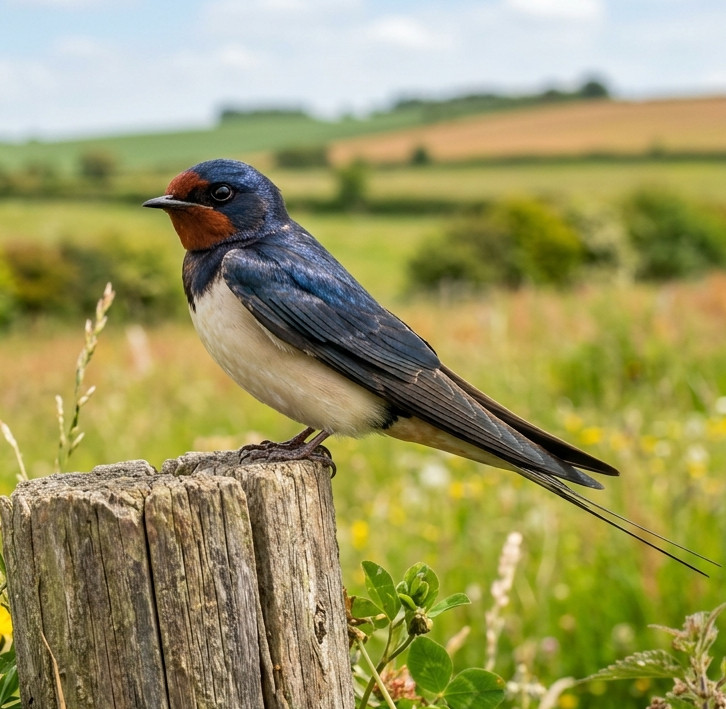
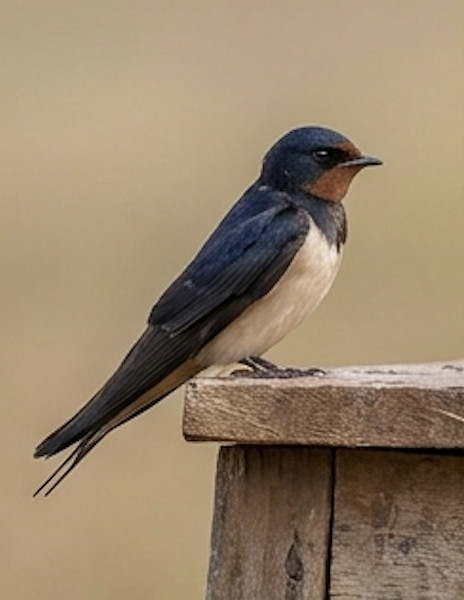
Common Swallow
Kanakathirikkili
Glossy dark above with a deeply forked tail, built for fast aerial insect hunting.
36
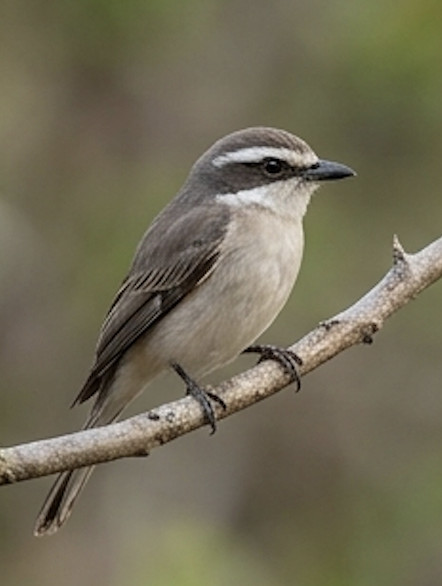
Indian Common Wood Shrike
Asurattani
Plain greyish-brown with a dark stripe below the eye and a pale eyebrow. Usually moves from tree to tree searching for insects.
37
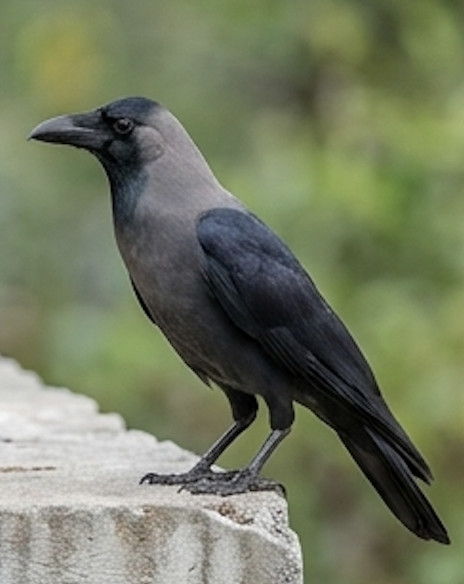
House Crow
Penakaka
Dusky grey-necked, highly adaptable and gregarious, closely associated with human habitation.
38
Indian Jungle Crow
Vaelikaka, Balikaka
Uniformly glossy jet black with a heavy bill and a deep guttural voice.
39
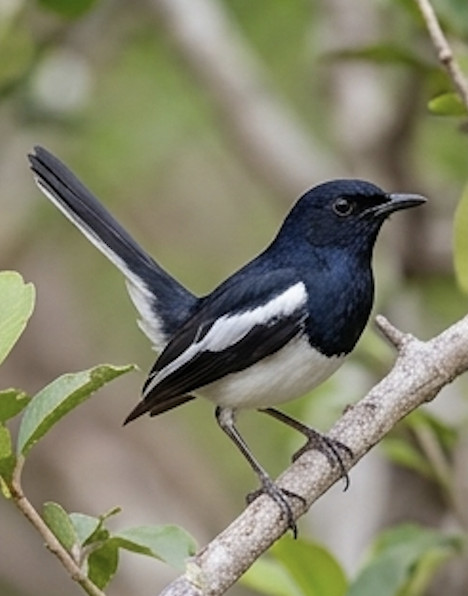
Southern Magpie Robin
Mannathipullu
Black above and white below with a white wing patch and white outer tail feathers. Frequently flicks and cocks its tail.
40
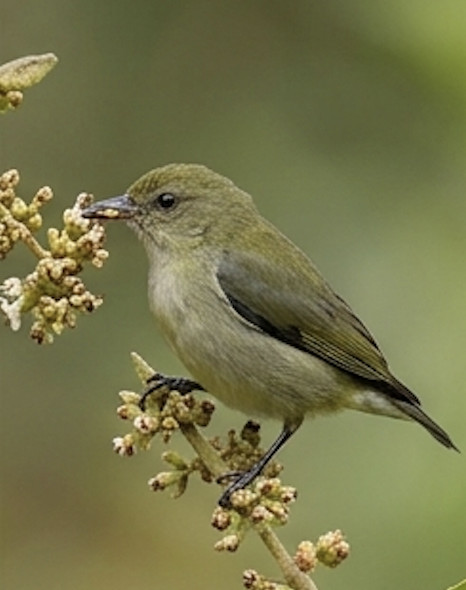
Tickell’s Flowerpecker
Ithikkannikuruvi
Ashy olive-brown above and greyish buff-white below, with a thick bluish finch-like bill.
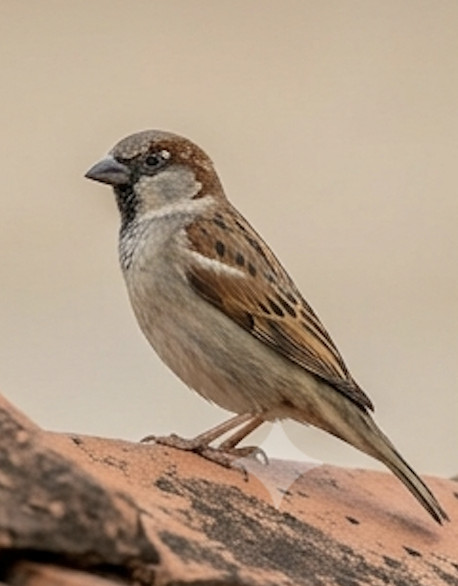
41
Indian House Sparrow
Angadikuruvi
A familiar human-associated sparrow. Males show chestnut, black and grey markings; females are ashier and less contrasting.
Keep the list alive
Seen something that is not here?
Tell our team what you saw, where you saw it and, if possible, share a photograph. Birdlife changes with season, weather and habitat, and guest sightings can help us keep improving this field guide.