
Our Story
Before there was a resort, there was a piece of land we wanted to save.
Blackberry Hills did not begin with a business plan for a hotel. It began with six concerned citizens, a damaged mountainside and the belief that restoration was still possible.
The first encounter
The magic of the mountain gods.
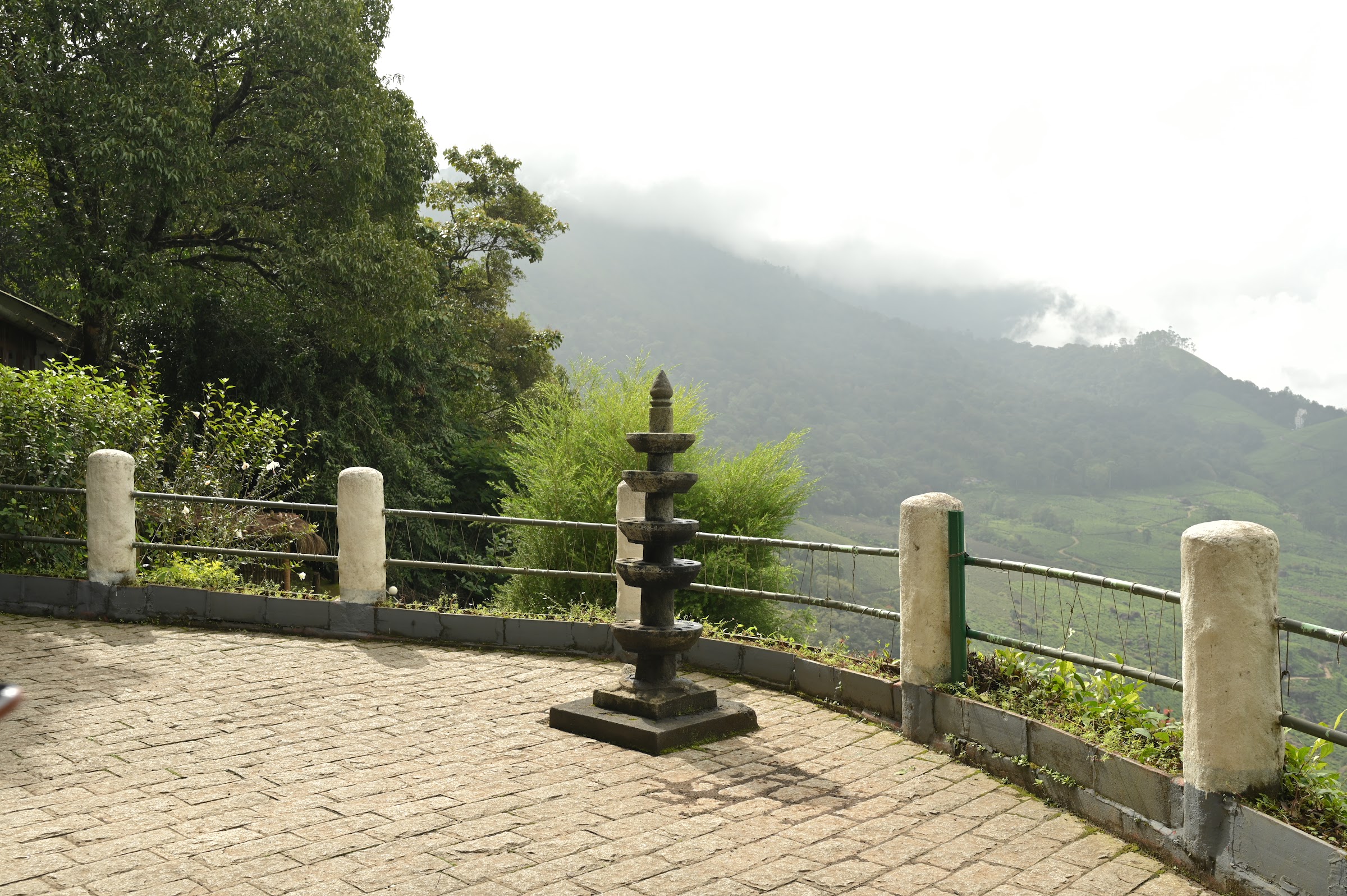
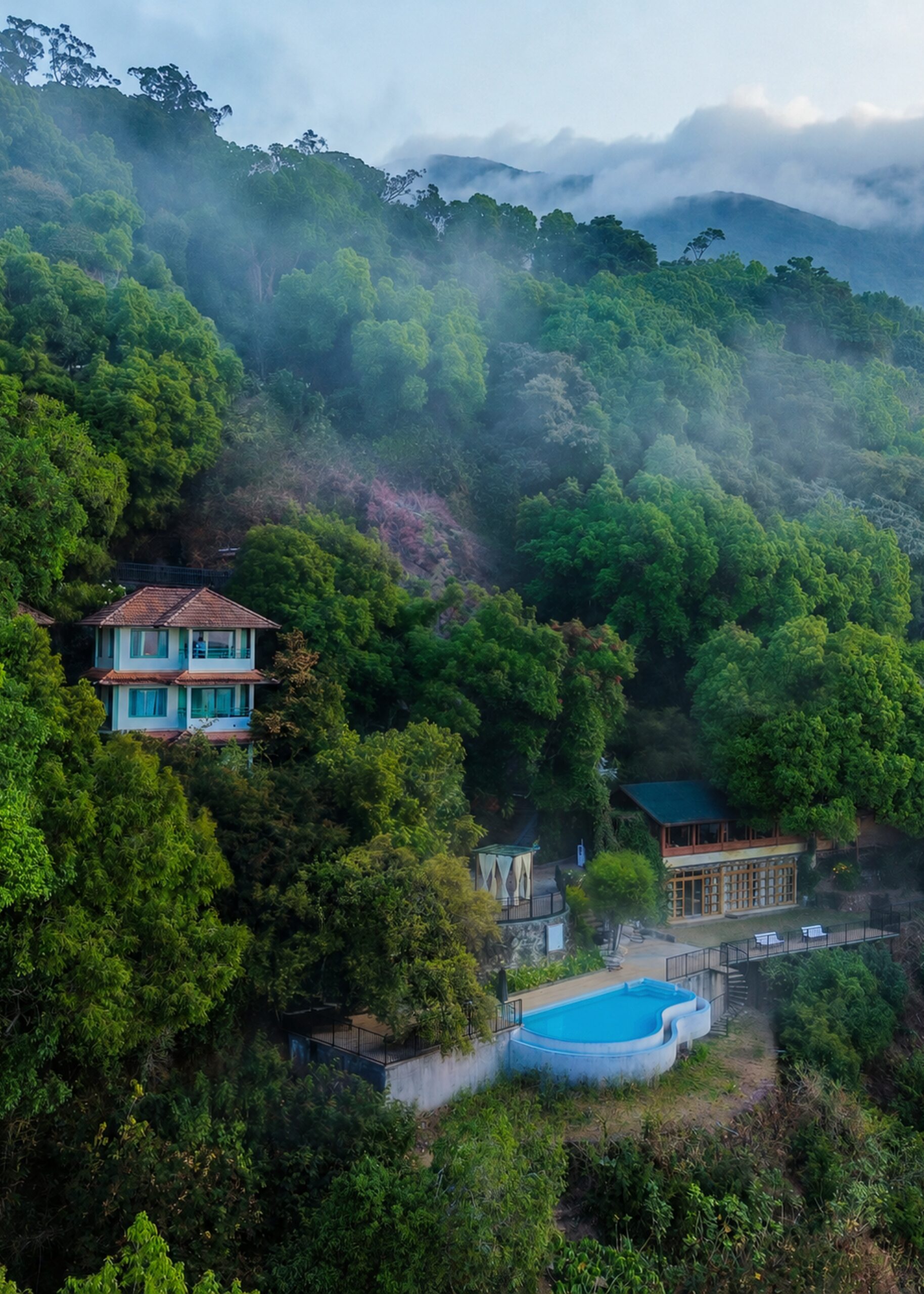
The founders had wandered into this corner of Munnar simply to spend time on the hill. The valley below seemed to perform for them. One moment it opened completely; minutes later mist entered through a gap in the western mountain range and erased the view. Then sunlight, wind and shadow rearranged everything again.
The estate sits on the edge of the Pallivasal basin, where wind carries mist into the valley like bundles of cotton. One of the founders began calling the phenomenon the magic of the mountain gods.
That changing mountain theatre was enchanting. What lay underfoot was not.
What we found
A beautiful estate in distress.
The land had suffered years of ruthless farming and neglect. Around thirty percent of the fertile topsoil was believed to have already washed away. Cardamom and coffee struggled in badly eroded soil despite heavy use of chemical manure and pesticides.
Worse, naturally growing trees were being cut for charcoal. The founders discovered arrangements for charcoal making hidden in a difficult corner of the estate. The contrast between the spectacular valley and the damage on the ground made the decision immediate: the land had to be protected.
The property was purchased not as a hospitality venture, but as an attempt to bring a wounded landscape back to life.
Munnar before us
The land was already carrying a much older story.
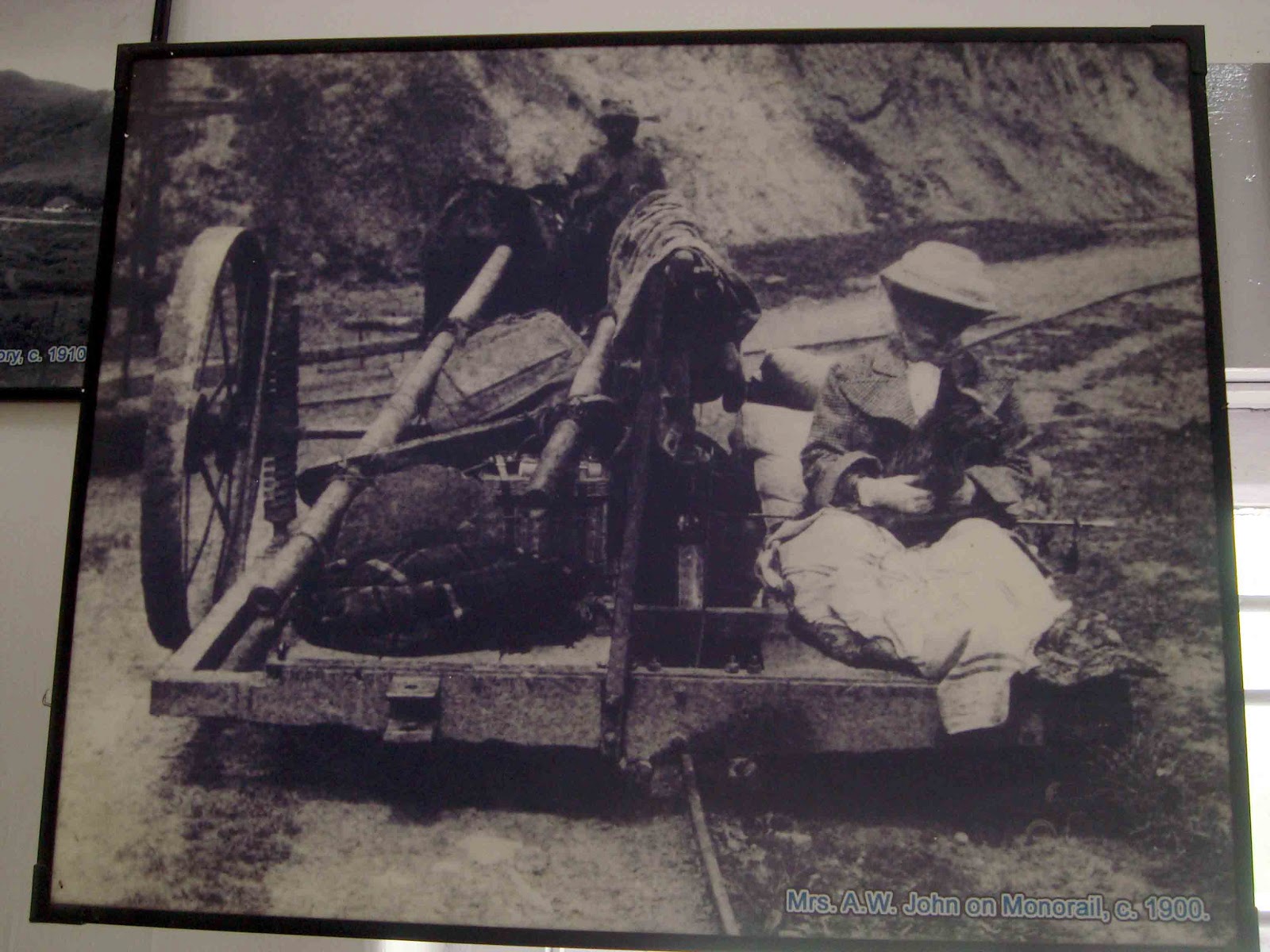
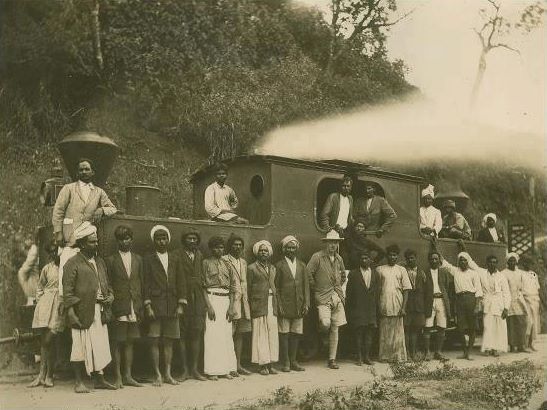
The modern history of Munnar was shaped by the plantation era. From the late nineteenth century, coffee, cardamom, cinchona, sisal and eventually tea transformed the Kannan Devan Hills. Roads, railways, ropeways, labour settlements and plantation institutions followed. These archival photographs belong to that wider history and do not depict Blackberry Hills itself.
1924
A flood that changed the high ranges.
The plantation story also carried warnings. In 1924, an extraordinary monsoon brought flooding and landslides that devastated roads, dwellings and estates across Munnar. The Kundala Valley Railway, built to move tea through the mountains, was washed away in large stretches and was never rebuilt.
The flood literally redrew parts of the landscape. Its effects reached beyond damaged property: transport, trade, plantation life and settlement patterns all had to adjust. The event remains embedded in Kerala’s memory as a reminder that mountain landscapes can never be treated as static.
Blackberry Hills lies in the same high-range system overlooking Attukad and Pallivasal. We do not claim parcel-specific records from 1924, but the lesson is relevant to everything that came later: water, slope and soil decide what is sustainable here.
Nature is part of us, as we are part of nature.
This became the simplest expression of the philosophy that followed.
The first years
Restoration proved harder than intention.
The original plan was to create a self-sustaining organic farm where artificial fertilizers and toxic pesticides would have no place. But goodwill did not immediately make the soil productive.
Within a year, cardamom suffered badly from caterpillar attack. Coffee barely recovered the cost of plucking. Vegetables struggled to establish in the eroded soil. The founders invested heavily and watched the economics worsen.
Naturalists and agricultural experts, including K. V. Dayal, were invited to study the site and guide the recovery. Their advice helped the vegetation return, but the larger question remained: how could the restoration continue financially without abandoning the land again?
Hospitality as a means, not the end
The resort was created to keep the ecological work alive.
As Munnar slowly emerged as a tourism destination, the founders chose hospitality as a way to fund the estate’s recovery. The original resort opened as Blackberry Hills Mountain EcoLodges, and by 2002 the doors were open to guests.
From the beginning, the idea was larger than accommodation. Guests could be introduced to what the estate was learning, while the team could learn from people arriving from different parts of the world. The business itself became a way to sustain and expand the ecological mission.
That distinction still matters. Hospitality did not replace the restoration project. It gave it a way to continue.
The harder way to build
One hotel block would have been easier. We chose the mountain instead.
The founders recorded the choice plainly: build a multi-storey structure beside the car park and offer an ordinary holiday, or place cottages deeper within the estate and accept the difficulty that came with it.
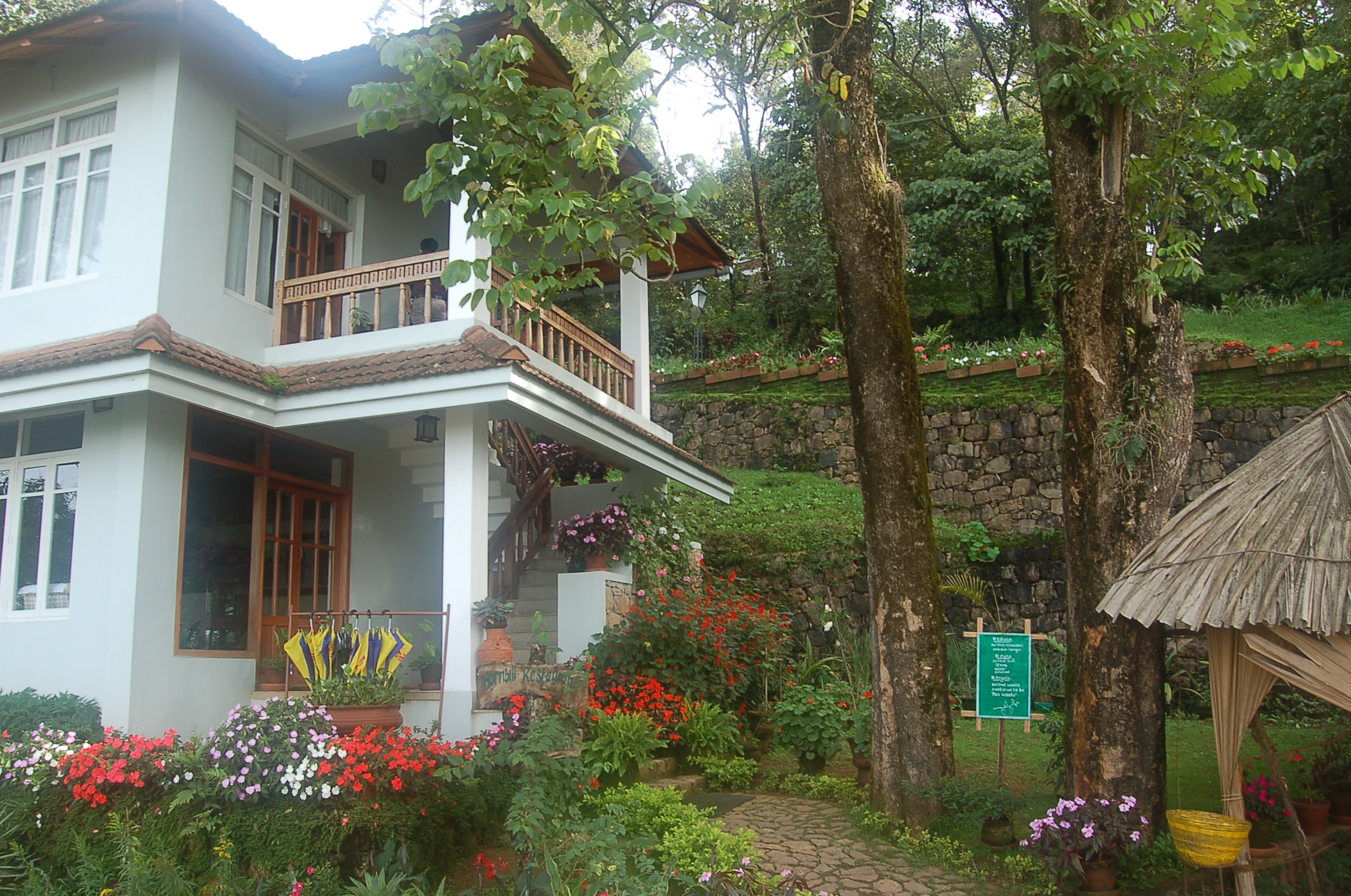
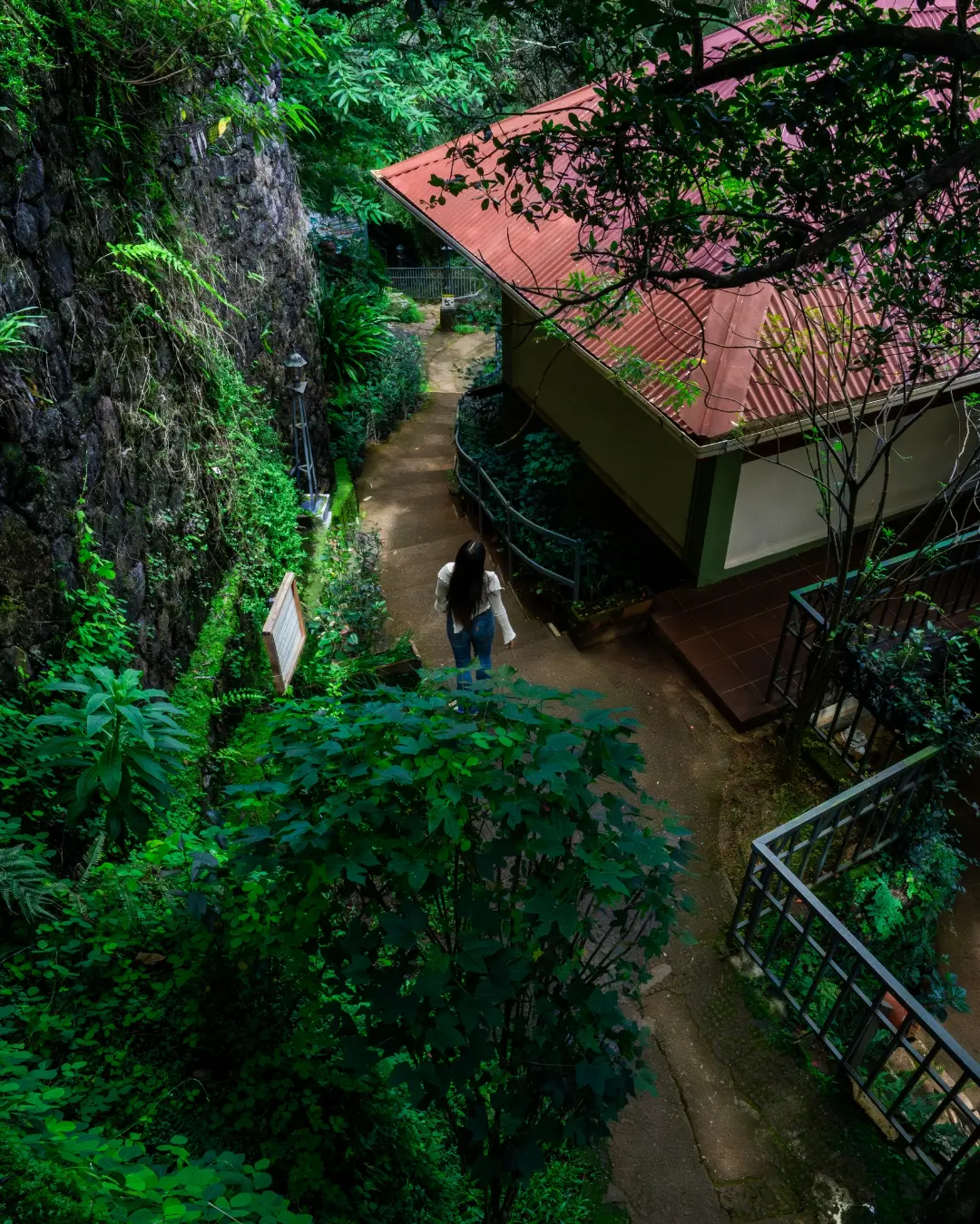
They chose the second. Building 200 to 300 metres away from the road and roughly 65 metres down the slope meant bricks, equipment and supplies had to be carried manually. It cost more time, more effort and more money. But it meant the cottages could sit within the landscape rather than dominate it.
That philosophy has continued with architectural collaborators including Prakrti, whose work with us has helped respect the terrain, valley views and natural character of the site. Terracotta flooring, roofing and ceiling materials reinforced the relationship with traditional Kerala architecture.
The slopes, steps and winding pathways are therefore not design inconveniences. They are part of the choice to let guests live within the mountain.
2004
Vetiver changed the direction of the estate.
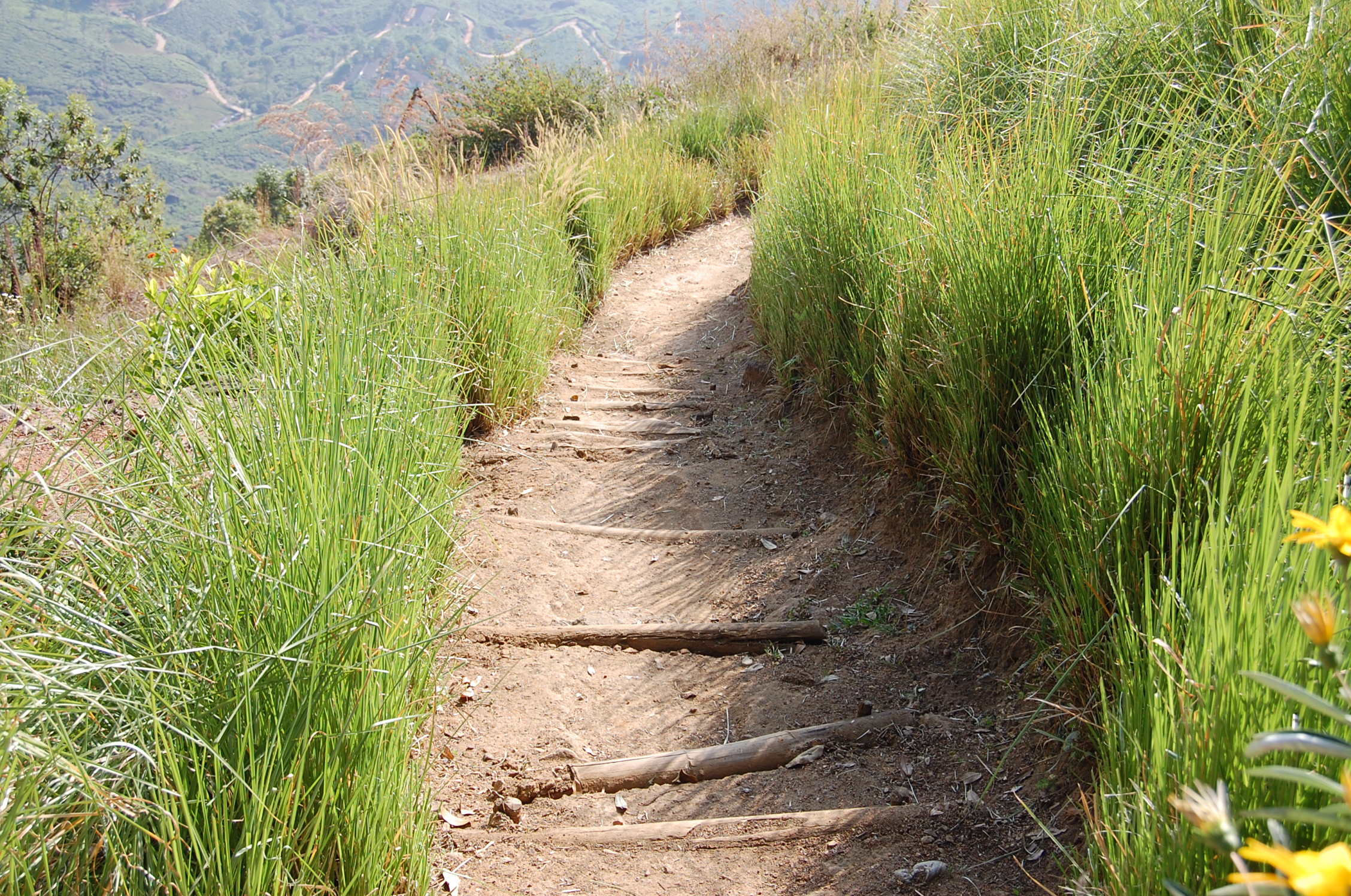
The breakthrough came through soil conservation. A senior forest officer connected the team with Haridas, then R&D chief at Tata Tea and a leading figure in India’s Vetiver movement. In 2004, Blackberry Hills purchased around 2,000 Vetiver planting materials from KDHP and began establishing them across vulnerable slopes.
The deep root systems helped stabilise loose soil around buildings, pathways and farming areas. Planting material propagated on the estate was then reused elsewhere. What began as a practical response to erosion became a field of study in its own right.
Blackberry Hills went on to demonstrate different applications of Vetiver, including terrain stabilisation, slope farming and other low-concrete interventions.
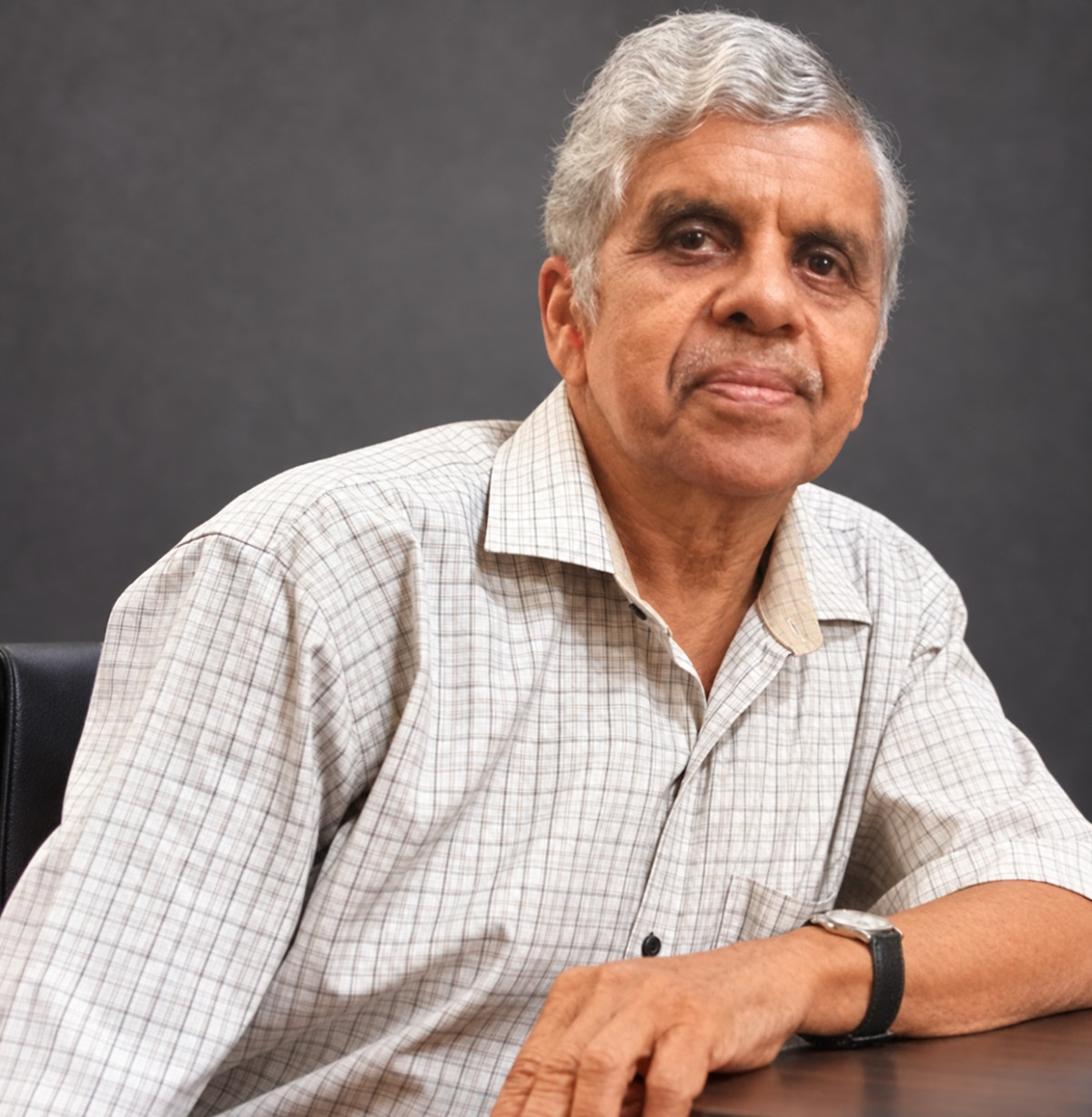
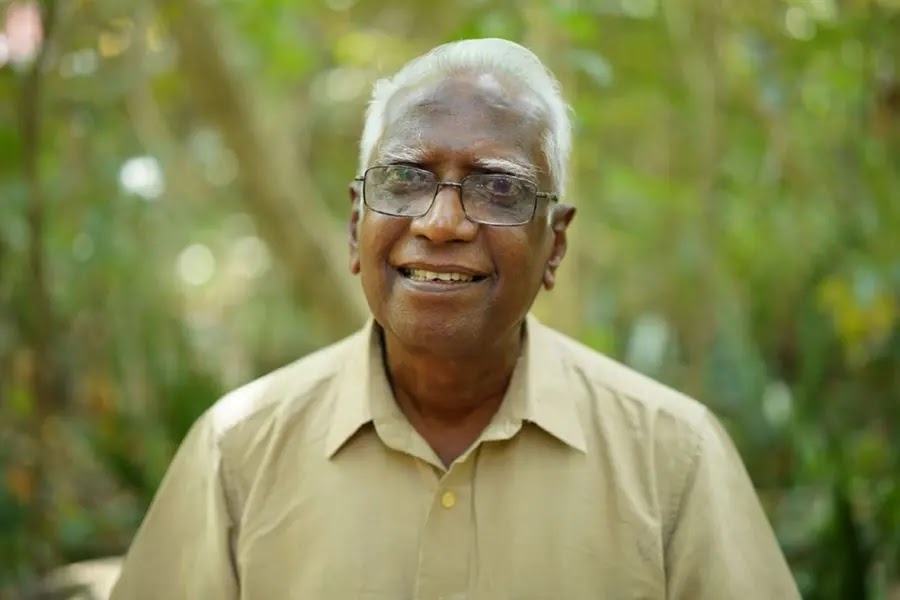
P. Haridas
His guidance helped Blackberry Hills pioneer the use of Vetiver for soil conservation on the estate, turning an urgent erosion problem into a long-term restoration practice.
From experiment to movement
The knowledge was meant to travel.
From the outset, the estate did not want to keep successful environmental ideas to itself.
Zero Risk Slope Farming
Farming became research.
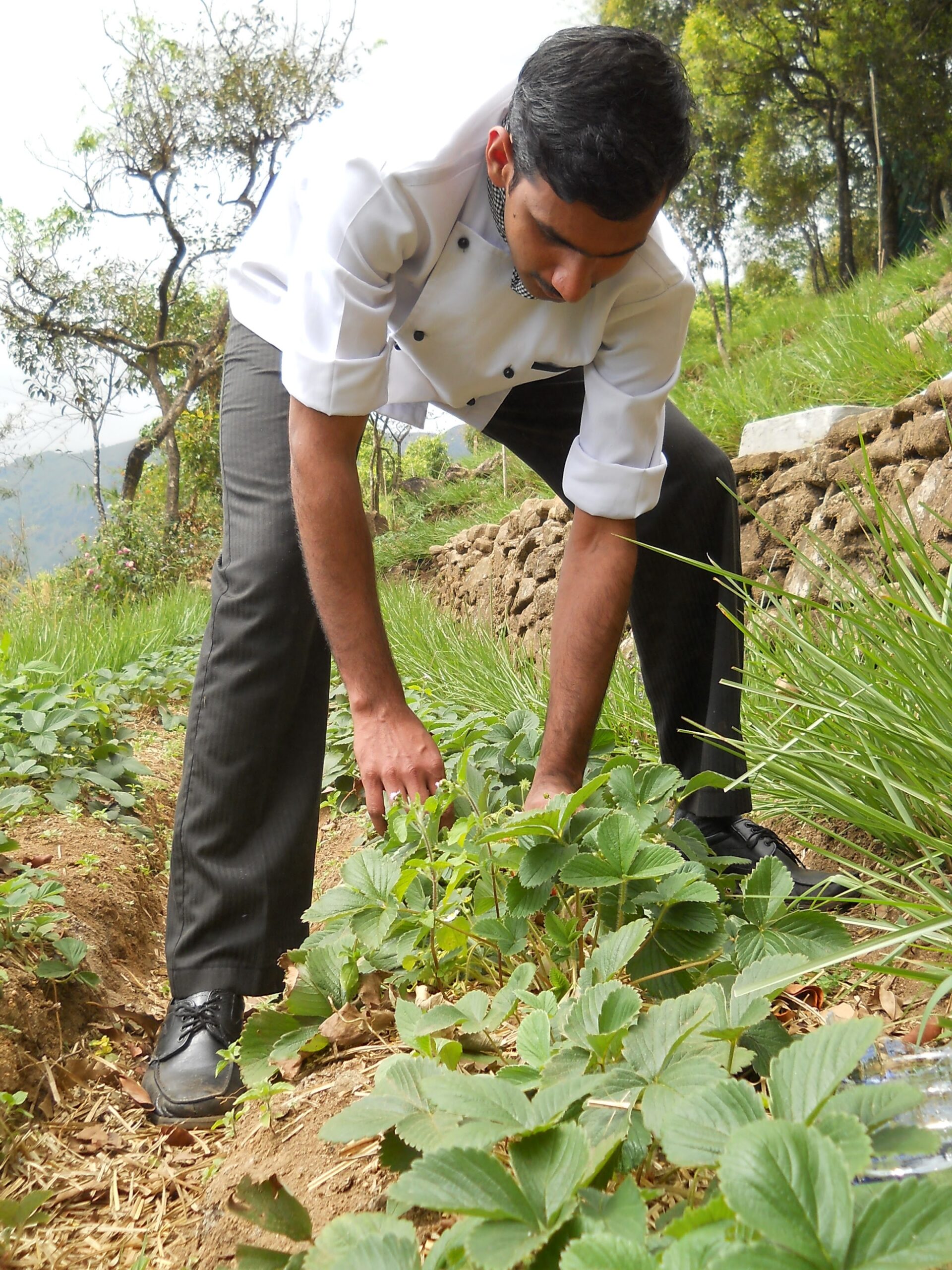
The estate also began questioning whether cultivation itself could be redesigned for steep terrain. Vetiver hedges were planted across slopes, terraces were formed between them and Vetiver leaves were used as mulch.
The resulting approach became known as Zero Risk Slope Farming: an attempt to cultivate vegetables and fruit while reducing the loss of precious topsoil during monsoon rain and irrigation.
The point was never agricultural profit alone. The farm became a place to test whether tourism, cultivation and conservation could coexist on the same slope with less damage.
Knowledge belongs in circulation
What worked here was meant to be shared.
The team considered it unethical to patent environmental learnings simply to sell them. Instead, guests interested in ecology were given information, planting material and opportunities to understand the work firsthand.
Over the years, Vetiver tillers and farm literature were distributed to thousands of guests. Workers were trained in different Vetiver applications so that those skills could travel into other estates and projects.
That idea of hospitality as a place for exchange remains central to the story: guests do not only consume an experience. They can leave carrying an idea.
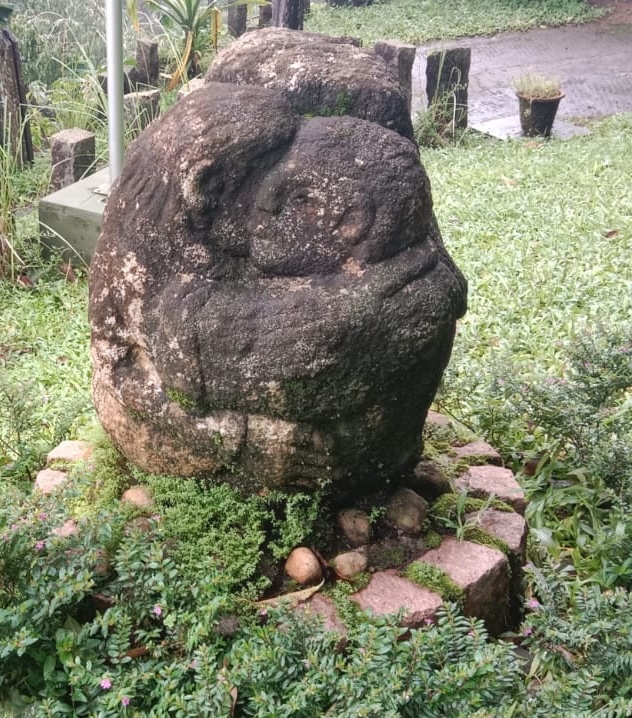
Coexistence
The estate is shared with more than guests.
The estate is home to an extraordinary variety of birds, moths, insects, ferns, trees and seasonal wildlife. Malabar Grey Hornbills, Whistling Thrushes, Kestrels, Emerald Doves and Giant Squirrels are among the regular or occasional visitors noted over the years.
The estate even recorded an expensive lesson from parachuting caterpillars. Rather than solve an infestation with pesticides, the team experimented until micro-netting and physical barriers could keep the insects out of cottages without poisoning the ecosystem.
That philosophy continues in more recent conservation work, including protection of habitat for the endangered Anaimalai Flying Frog, recognised with an ICRT Silver Award in 2022.
A harmonious cycle
Waste, water, food and energy are connected.
The estate has long worked to make its systems function together rather than in isolation. Some practices have evolved over time, but the principle remains the same.
Composting & biogas
Organic waste has historically been separated, composted or routed through biogas systems rather than treated only as refuse.
Organic fertilising
Slurry, compost and natural inputs are returned to the soil to support farming and reduce chemical dependence.
Water stewardship
The estate has long treated water conservation, spring-water protection and wastewater management as part of the same ecological responsibility.
Solar energy
Solar power is now used extensively across the property as the estate continues reducing conventional energy dependence.
Responsibility to people
The surrounding villages are part of the story too.
Looking downhill toward Pothamedu, Attukad and Pallivasal has always raised a simple question: what responsibility does a resort have to the people who already call these hills home?
Local residents were trained for roles in production, housekeeping, gardening and farming. Former plantation and factory workers learned organic farming, Vetiver applications and slope-management techniques. The aim was not one-way charity but exchange: the estate could share technical learning while local communities carried knowledge of the hills, farming, food, culture and everyday life.
That belief remains important to our idea of hospitality. A resort cannot claim to belong to a place while ignoring the people around it.
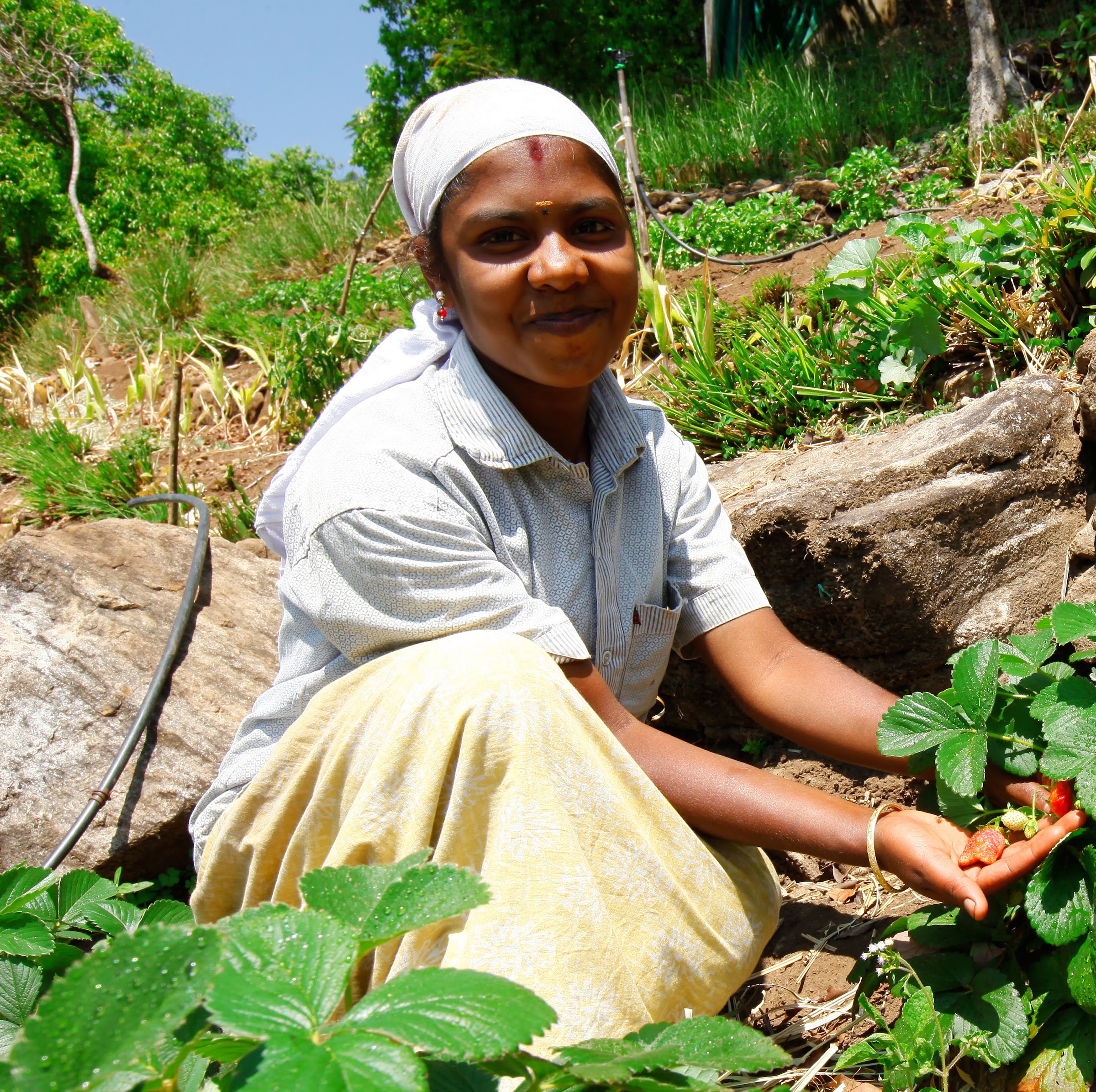
Artists of Blackberry Hills
The estate became a place to create, not merely to stay.
From its early years, Blackberry Hills attracted artists who responded to the mountain, its villages, its wildlife and its cultural memory. Some stayed for long periods, some returned repeatedly, and some helped shape the visual and cultural character of the estate itself.
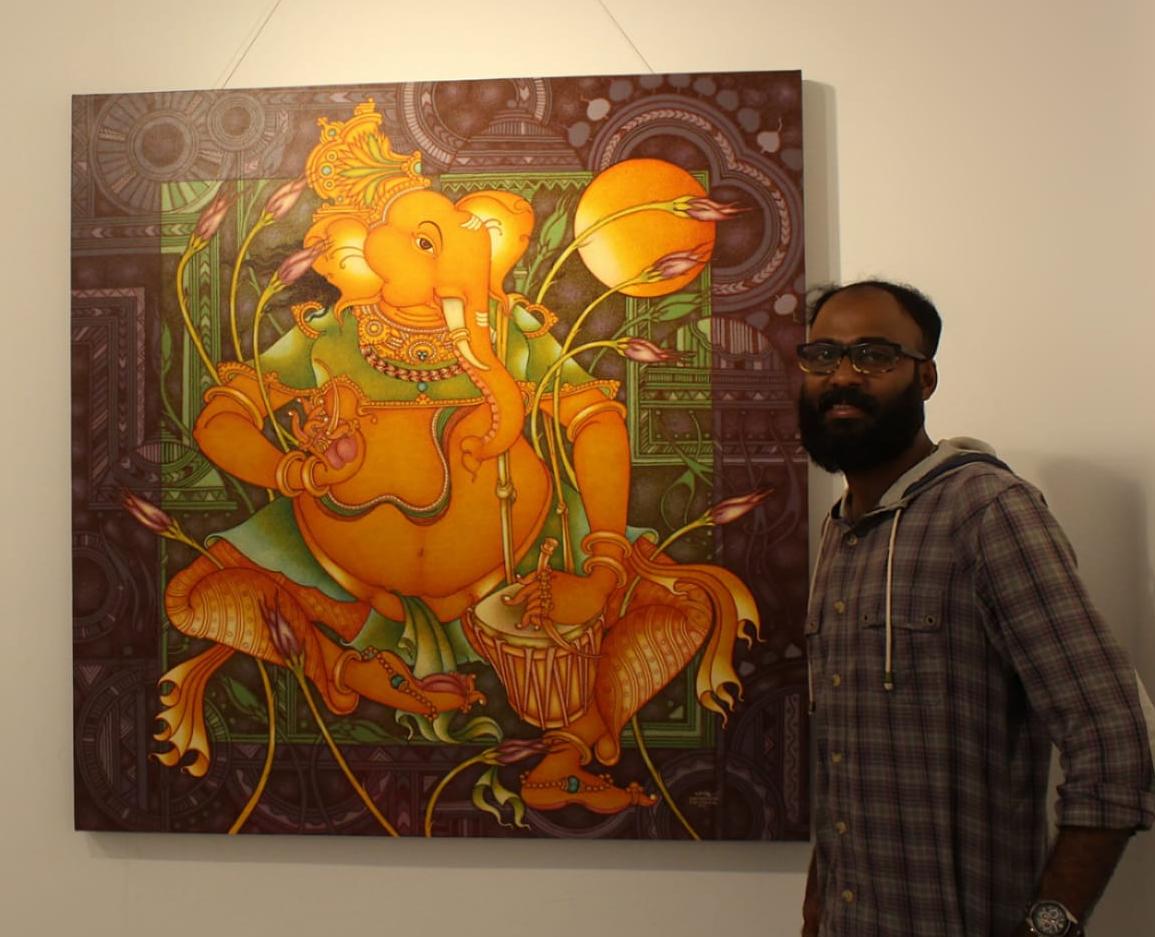
Manikandan Punnakkal
Manikandan Punnakkal brought the discipline and visual language of Kerala temple murals into a more intimate conversation with village life. At Blackberry Hills, he experimented with mural traditions through depictions rooted in people, everyday life and the cultural landscape around the hills.
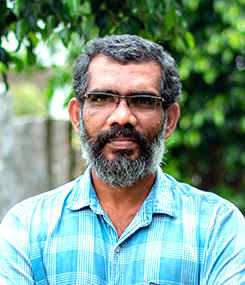
Sanul KK
A sculptor associated closely with the estate, Sanul KK worked across both wood and stone. His practice added another physical layer to Blackberry Hills, allowing natural materials, form and the surrounding landscape to meet through sculpture.
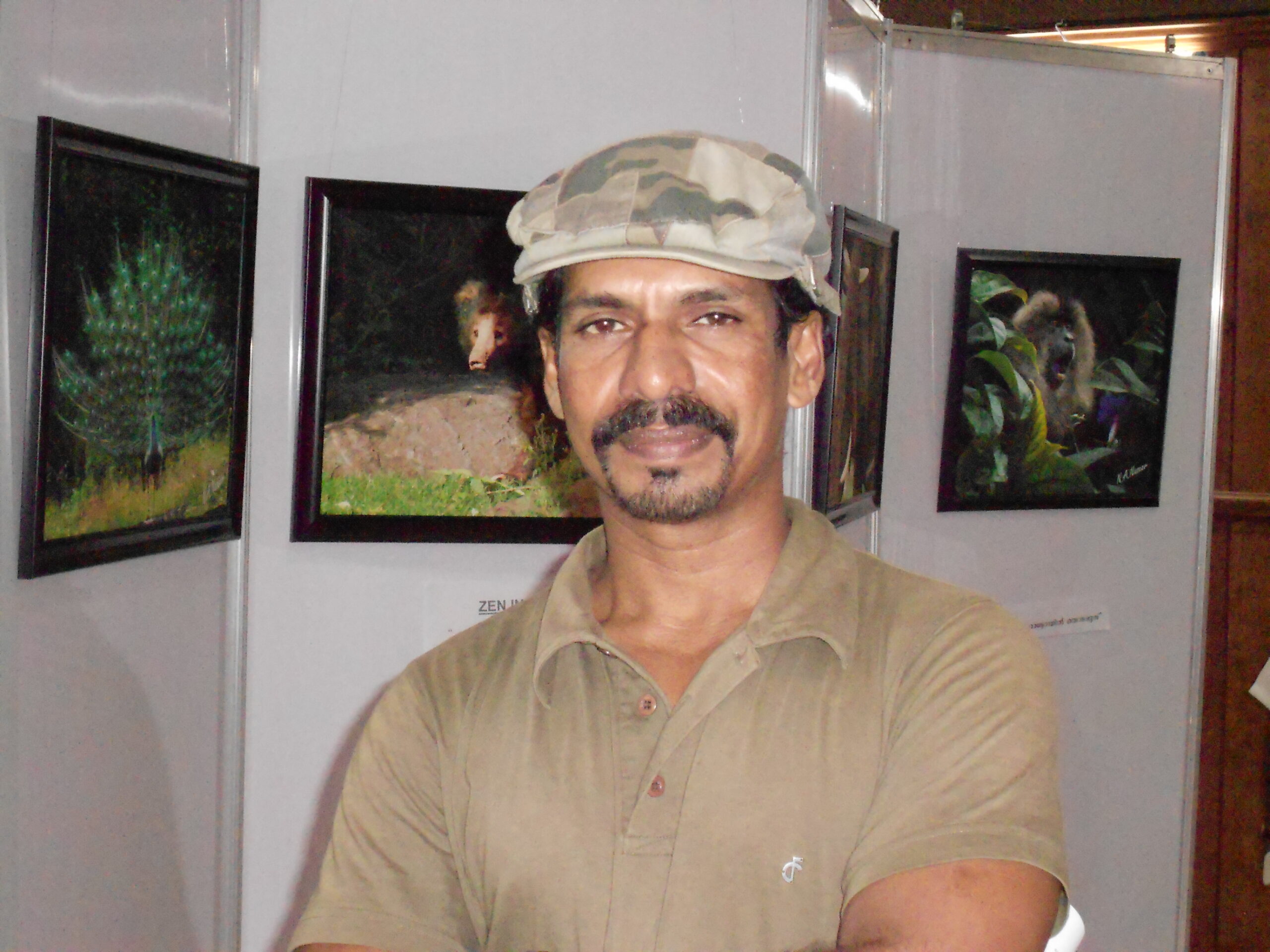
N. A. Naseer
Wildlife photographer N. A. Naseer helped reveal the living world surrounding Blackberry Hills through photography. His work connected the estate’s artistic story with the wider biodiversity of the Western Ghats, turning observation itself into a form of conservation awareness.
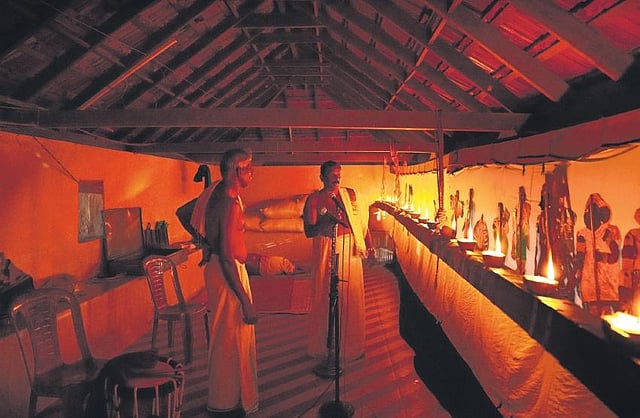
Vishwanatha Pulavar & family
Vishwanatha Pulavar and his family introduced Tholpavakoothu to the estate, bringing one of Kerala’s great shadow-puppetry traditions into the Blackberry Hills cultural landscape. Their association helped establish the estate as a place where this indigenous art form could be demonstrated, discussed and passed on through performances and workshops.
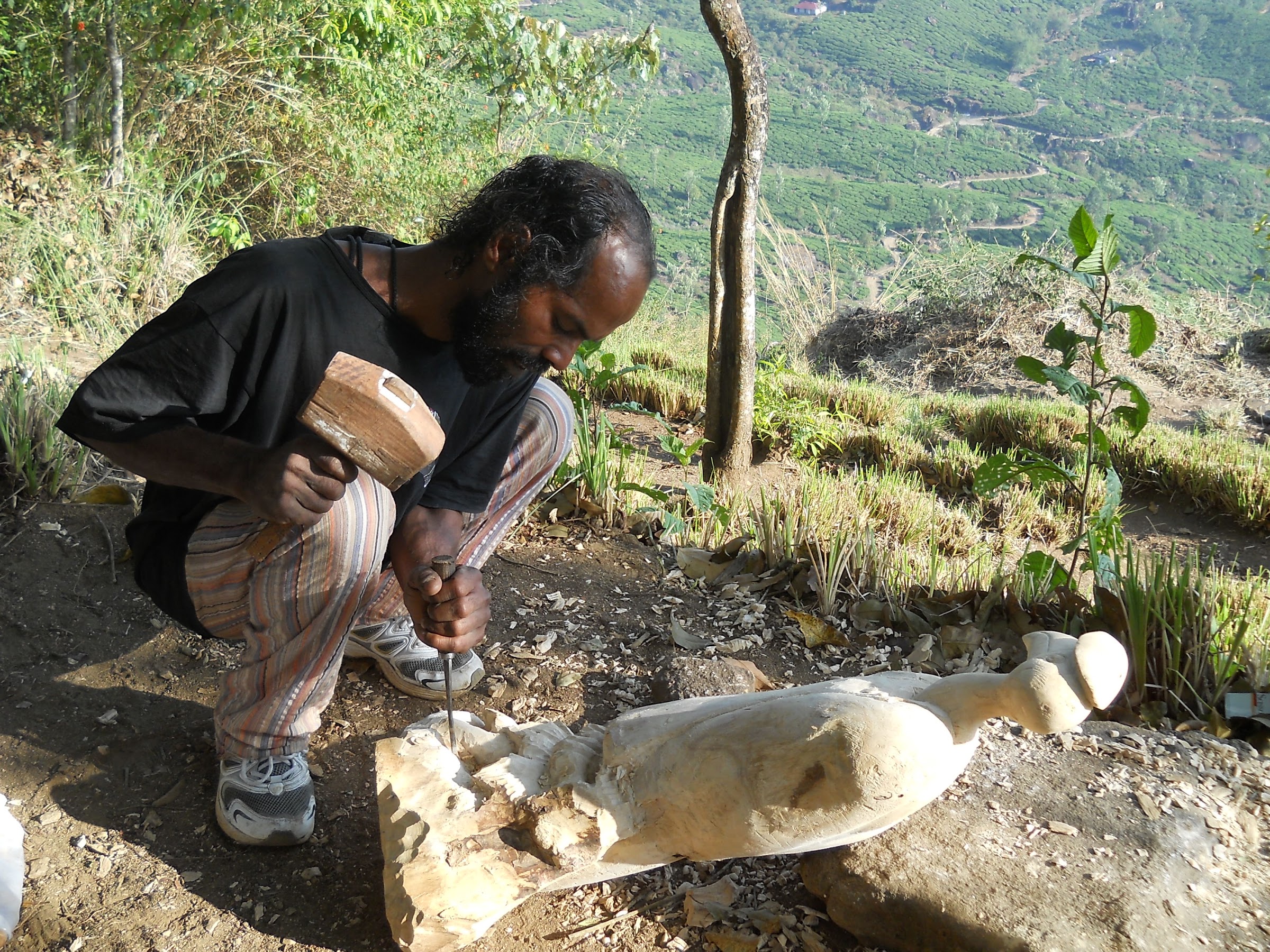
Sunil Raghavan
Sunil Raghavan was part of the estate’s early creative circle and worked closely with natural materials. This photograph shows him carving a hornbill in wood on the estate, a work in progress that later became the hornbill sculpture displayed at Hornbill Restaurant. The piece captures exactly what this creative chapter meant for Blackberry Hills: artists working slowly, directly within the landscape, and leaving behind objects that became part of the place itself.
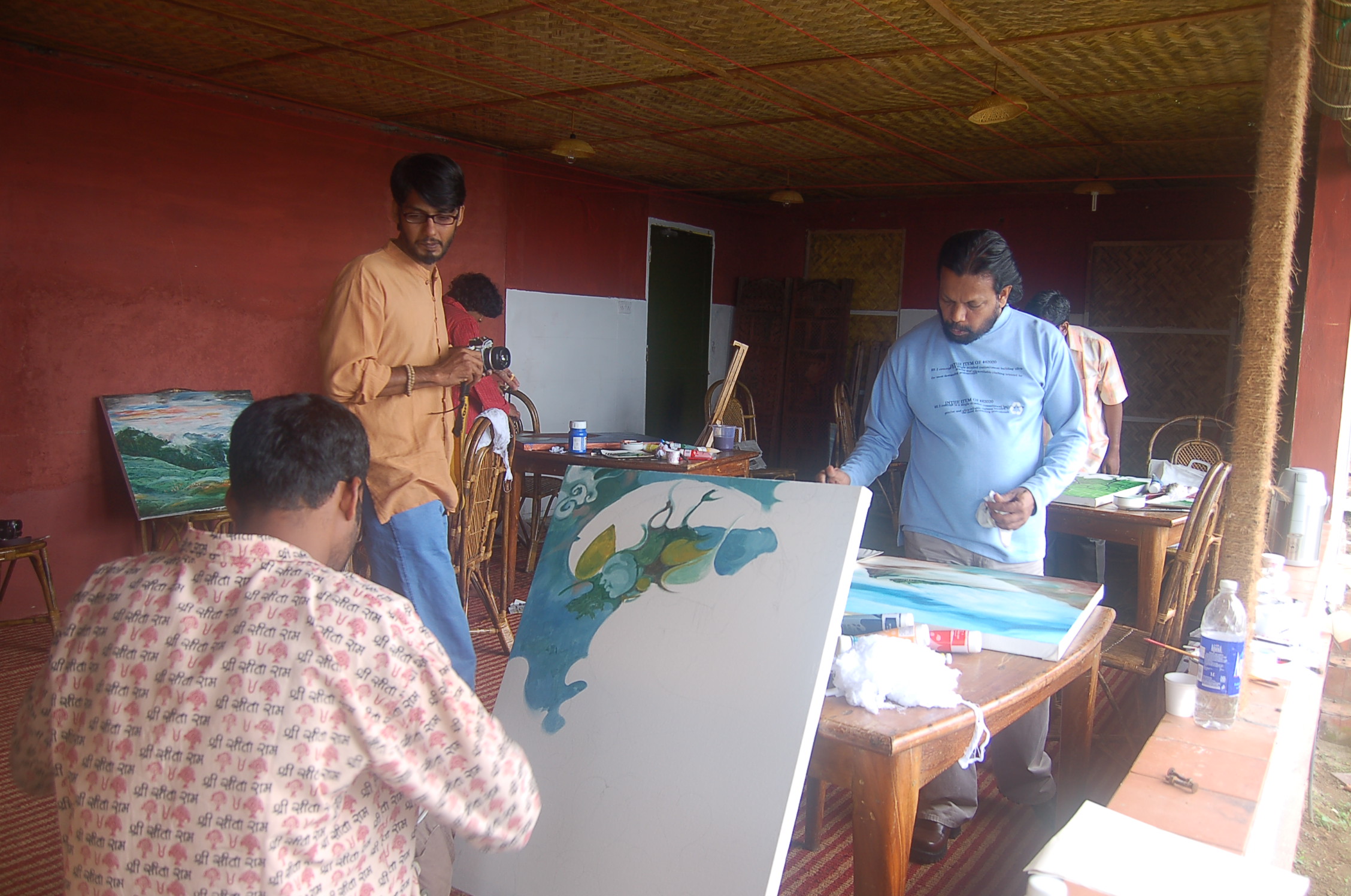
Monsoon Gathering of Artists
When rain, mist and art shared the same room.
One of the clearest expressions of this creative spirit was the Monsoon Gathering of Artists held at Blackberry Hills. The gathering brought painters together during Munnar’s monsoon, when cloud, rain and changing light transform the estate almost by the hour.
Artists including Basanth Peringode, Girish Bhattathiripad and M. A. Venu were among those associated with the gathering. The idea was deliberately simple: give artists time, space and an extraordinary landscape, and allow the work to emerge from that encounter.
A Monsoon Gathering of painters was held at Blackberry Hills in 2008. That tradition sits naturally within the larger story of the estate, where ecological restoration, culture and creativity have never been treated as separate worlds.
People who stayed long enough to listen
The estate has also been a place for thinking, writing and seeing.
Prof. M. H. Ilias, now Professor at Mahatma Gandhi University, stayed at Blackberry Hills for an extended period while working on his thesis. His association belongs to a quieter dimension of the estate’s history: the idea that a mountain retreat can also become a place for concentration, research and sustained intellectual work.
Razak Kottakkal, one of Kerala’s noted documentary photographers, played an important role in visually recording Blackberry Hills during its formative years. Many of the early photographs of the valley, pathways and architecture carry his credit. His photographs helped preserve a record of what the estate looked and felt like while it was still taking shape.
Together with wildlife photographers such as N. A. Naseer and the artists who worked here, they widened the role of Blackberry Hills beyond hospitality. The estate became a place where people could observe, document, write, create and leave behind a record of their encounter with the hills.
Hospitality from the heart
Less ceremony. More humanity.
From the beginning, hospitality here has been curious, informal and deeply personal. Guests were invited to walk the estate, learn traditional games, taste local food, talk about ecology, identify birds and understand how the land worked.
That is still closer to our idea of service than rehearsed five-star formality. We want guests to feel cared for, spoken to naturally and welcomed into a place with its own character. The aim is heartfelt Munnar hospitality rather than performance.
Deliberately peaceful
To listen, the estate has to remain calm.
Long before wellness became a fashionable hospitality word, walking the estate meant learning the art of patient listening: the call of a hornbill, the whistle of a thrush, insects after rain, wind through trees and changing cloud over the valley.
That is why Blackberry Hills deliberately avoids fireworks, loud music, parties and unnecessary noise. Peace here is not simply an amenity for guests. It is part of sharing the estate with the life already present.
What we offer is not simply a hotel stay. It is an experiential and inspirational time close to nature, allowing space for mindfulness, introspection, renewal and rejuvenation.
Recognition
The awards came after the work.
Blackberry Hills has received recognition across conservation, environmental practice and hospitality. We value those awards most when they validate work that began for reasons deeper than recognition.
International recognition
The estate’s Vetiver research and dissemination became recognised within the International Vetiver Network, including a Certificate of Excellence awarded to the Executive Director.
ICRT Silver Award
Recognised for increasing tourism’s contribution to natural heritage and biodiversity, including the Anaimalai Flying Frog conservation initiative.
Traveller awards
Recognition from platforms such as Tripadvisor and Booking.com reflects another part of the story: how guests experience the place today.
The story continues
Come to Munnar. Spend some time within it.
Blackberry Hills is still an evolving conversation between a mountain, the people who care for it and the guests who pass through. We invite you to slow down, observe, participate and leave with a different relationship with the landscape than when you arrived.