

Responsible travel
Responsible tourism in Kerala: what it means for a nature stay.
Responsible tourism is not a badge or a single eco-friendly feature. It is an approach to travel that asks how hospitality can support local places while reducing unnecessary pressure on landscapes, wildlife and communities.
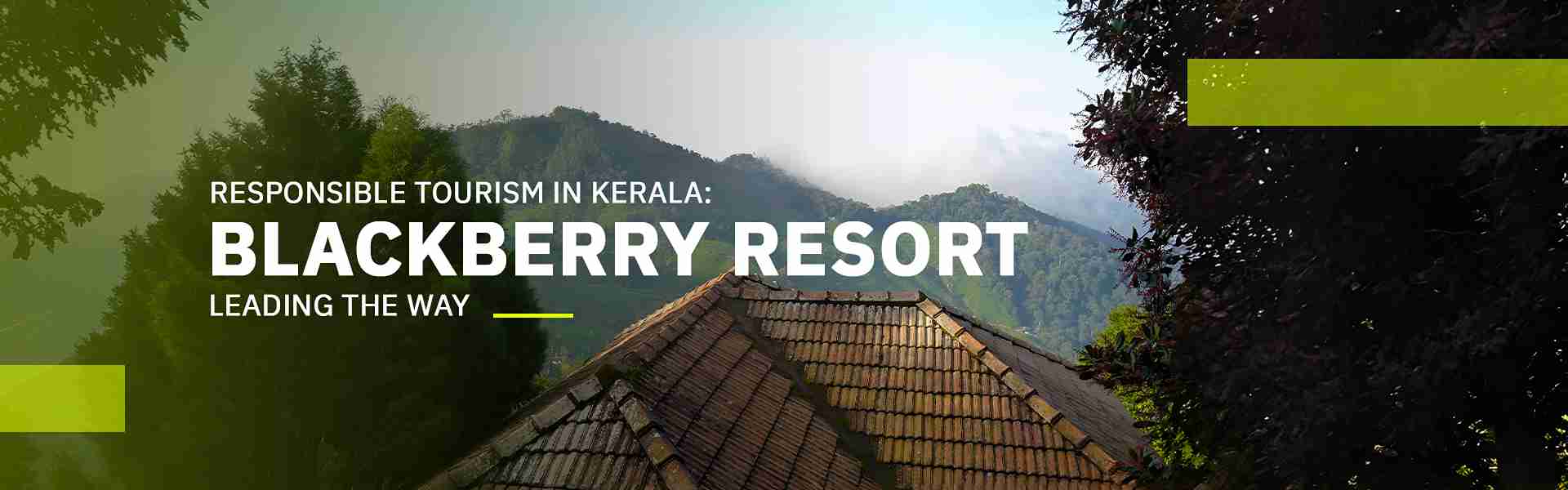
Kerala’s tourism appeal is closely tied to its landscapes and living cultures. In hill destinations such as Munnar, that creates a simple tension: visitors come for nature, but tourism itself can put pressure on the very environment people travel to experience.
Responsible tourism tries to manage that tension more thoughtfully.
What does responsible tourism actually mean?
At its simplest, responsible tourism means making travel choices that create better outcomes for the destination as well as the visitor. That can involve how a property is built, how it uses land and materials, how it interacts with local people, how guests move through sensitive environments and how much disturbance tourism creates.
It also means being honest. Not every sustainability claim is equally meaningful, and travellers should be wary of vague language that cannot be connected to real practices.
Three useful principles for travellers
1. Respect the landscape
Mountain destinations are not blank spaces waiting to be reshaped for convenience. Buildings, roads, water use, lighting and noise can all affect the surrounding environment.
At Blackberry Hills, the 10-acre estate follows the natural mountainside terrain rather than presenting itself as a flat, urban-style hotel campus. That means guests encounter slopes, steps and winding pathways as part of the stay.
2. Reduce unnecessary disturbance
Nature-based hospitality is not only about adding activities. Sometimes the more responsible choice is restraint. Quiet hours, controlled lighting and respectful wildlife viewing can matter as much as organised experiences.
Blackberry Hills maintains a quiet approach around the estate, particularly because the property is shared with birds and other wildlife. Guests are encouraged to experience the environment without treating it as a stage set.
3. Value local materials, food and knowledge
Responsible tourism is stronger when a destination’s own culture and resources remain part of the experience. Local ingredients, regional cooking, local guiding knowledge and durable materials can connect hospitality more closely to place.
Hornbill Restaurant, for example, was conceived with enduring materials including wood, iron and stone, while the wider guest experience draws on Munnar’s tea culture, local food traditions and nature.
What responsible tourism is not
It is not simply asking guests to reuse towels while everything else remains unchanged. It is not placing a few plants around a hotel and calling the property sustainable. And it is not a reason to make claims that are difficult to verify.
A more useful question is: does the property make choices that are appropriate to its setting, and does it communicate those choices honestly?
How guests can travel more responsibly in Munnar
- Choose accommodation that suits the landscape rather than expecting the landscape to be altered for convenience.
- Use designated paths and follow guidance in wildlife-sensitive areas.
- Keep noise low, especially early in the morning and after dark.
- Avoid feeding wildlife.
- Carry reusable water bottles where practical and reduce disposable packaging.
- Support local food, guides, shops and experiences rather than treating the destination only as a backdrop.
- Plan road journeys efficiently instead of making repeated long drives across the hills.
Why this matters in Munnar
Munnar’s appeal comes from its combination of highland climate, tea landscapes, forest pockets, wildlife and mountain views. These are also the things most vulnerable to overdevelopment and careless tourism.
Visitors do not need to make a trip joyless in order to travel responsibly. The goal is simply to enjoy the destination without assuming that every comfort or convenience should come at any environmental cost.
A quieter kind of nature stay
Blackberry Hills is best understood as a small-scale nature resort rather than a conventional urban hotel transplanted into the mountains. Sixteen independent cottages are spread across the estate, and the terrain, views and wildlife are part of the experience.
If you are comparing different styles of accommodation, our guide to what to look for in a nature resort in Munnar explains the practical differences in more detail.
Planning a nature-led stay in Munnar?
Explore Blackberry Hills, its current room categories and the experiences available during your dates.