

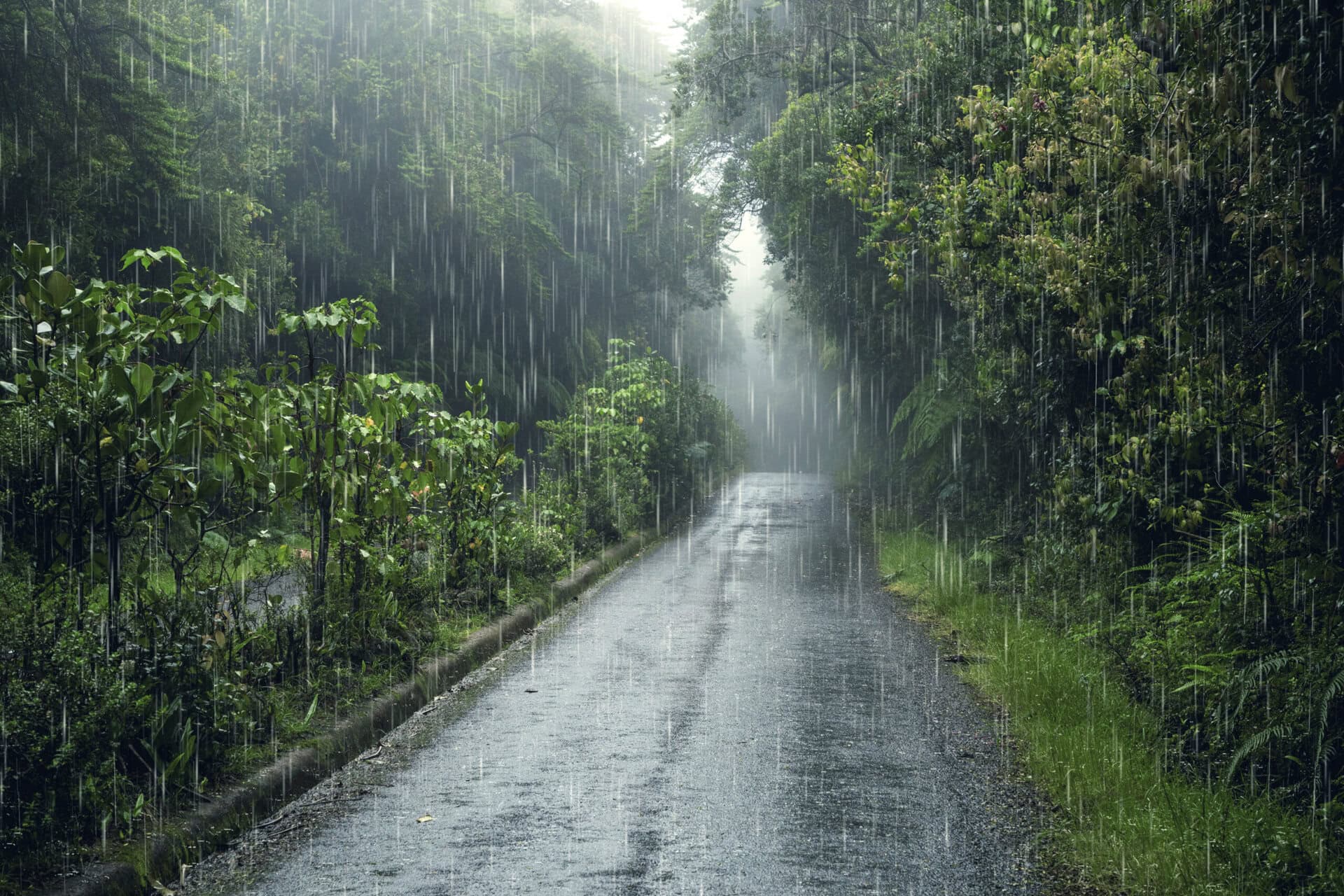
Yes, you can visit Munnar during the monsoon, but whether a particular travel day is advisable depends on the actual weather and local conditions. The rainy season is one of the most atmospheric times in the high ranges, with mist, active waterfalls and intense greenery, but it also demands more flexibility than a dry-season trip.
The useful question is therefore not simply “Is Munnar safe in the monsoon?” but “What conditions should I check before I travel, and when should I change my plans?”
When is the monsoon in Munnar?
The main southwest monsoon usually affects Munnar from June into September, although rain can begin earlier, continue later and vary considerably from year to year. Mountain weather is highly local. A wet morning can clear into a bright afternoon, while another day may remain misty and rainy for hours.
Why visit Munnar during the rainy season?
- Waterfalls are more active: seasonal streams and cascades become part of the landscape.
- The hills are intensely green: tea, forest edges and valley vegetation look very different from the drier months.
- Mist becomes part of the experience: cloud can move through valleys and change views within minutes.
- The pace is naturally slower: rainy days encourage fewer sightseeing stops and more time within the landscape.
- Some periods are less crowded: though weekends and holidays can still be busy.
What are the real monsoon risks?
The principal risks are not unique to tourists. They are the normal consequences of heavy rain in steep mountain terrain: reduced visibility, slippery roads, temporary water flow across roads, localised slips or fallen branches, slower traffic and occasional access restrictions.
Walking trails also become slippery, and a trek that is straightforward in dry weather may be unsuitable after sustained rain.
How to decide whether to travel on a particular day
Check the weather forecast and official alerts close to departure rather than relying on a plan made several days earlier. If authorities issue a severe-weather warning, if there has been prolonged intense rainfall, or if your accommodation or driver advises against a route, change the plan.
Mountain travel rewards flexibility. Postponing a drive or cancelling an outdoor activity is not a failed holiday; it is normal seasonal planning.
Road travel during the monsoon
Main access roads to Munnar are regularly used during the rainy season, but no route should be described as permanently safe or guaranteed open. Conditions can change after heavy rain or local incidents.
For detailed hill-driving precautions and the main scenic circuits, read our separate guide to Munnar roads during the monsoon.
When should you postpone or alter your plans?
Consider postponing a drive, trek or sightseeing circuit when:
- there is an official severe-rain or local hazard alert
- visibility is extremely poor
- heavy rain has continued for a prolonged period
- local authorities have restricted access
- your driver, guide or accommodation reports a route problem
- you would need to drive an unfamiliar mountain road late at night in bad weather
What to pack for Munnar in the monsoon
- a proper rain jacket or poncho
- footwear with good grip
- an extra pair of socks
- a waterproof pouch for electronics and documents
- medication and basic first-aid supplies
- a light warm layer for cooler evenings
Should you trek in the rain?
Light rain does not automatically rule out every nature walk, but trail conditions matter more than the forecast alone. Avoid steep or exposed routes during heavy rain and follow the guide’s judgement. A short estate walk on a suitable path may still be possible when a longer mountain trek is not.
What if it rains for most of the day?
A good monsoon itinerary should include experiences that do not depend on clear weather. At Blackberry Hills, guests can use rainy periods for spa treatments, tea tasting, indoor games, leisurely meals and simply watching mist move through the valley.
This is one reason we recommend not filling every day with fixed sightseeing. The monsoon is more enjoyable when the weather is allowed to shape part of the schedule.
Vetiver and soil conservation at Blackberry Hills
Blackberry Hills has used Vetiver extensively across the estate as part of its long-term soil-conservation and ecological-restoration work. Its dense root system is useful for reducing erosion and stabilising vulnerable soil.
That does not mean any mountain property can claim immunity from extreme weather. Vetiver is one part of responsible land management, not a guarantee against every natural hazard.
Is monsoon a good time for couples or families?
It can be, provided everyone is comfortable with a flexible itinerary. Couples often enjoy the mist, quieter pace and spa time. Families should plan shorter driving days and have indoor alternatives ready, particularly with young children.
Where you stay matters
A monsoon stay becomes easier when the property itself offers enough to do that you do not feel compelled to drive every day. Blackberry Hills is spread across a 10-acre mountainside estate in the Pothamedu and Pallivasal valley landscape, with independent cottages, Hornbill Restaurant, Sisal Spa and nature-led experiences.
Explore the current room categories or view Sisal Spa.
Final answer: is it safe to visit Munnar in the monsoon?
Often, yes. But it is not responsible to give a blanket guarantee. Check current weather and official advice, avoid unnecessary night driving in poor conditions, keep buffer time in your itinerary and be willing to change plans when the mountains demand it.
That flexibility is also what makes a monsoon trip memorable. Munnar does not look the same from one hour to the next.