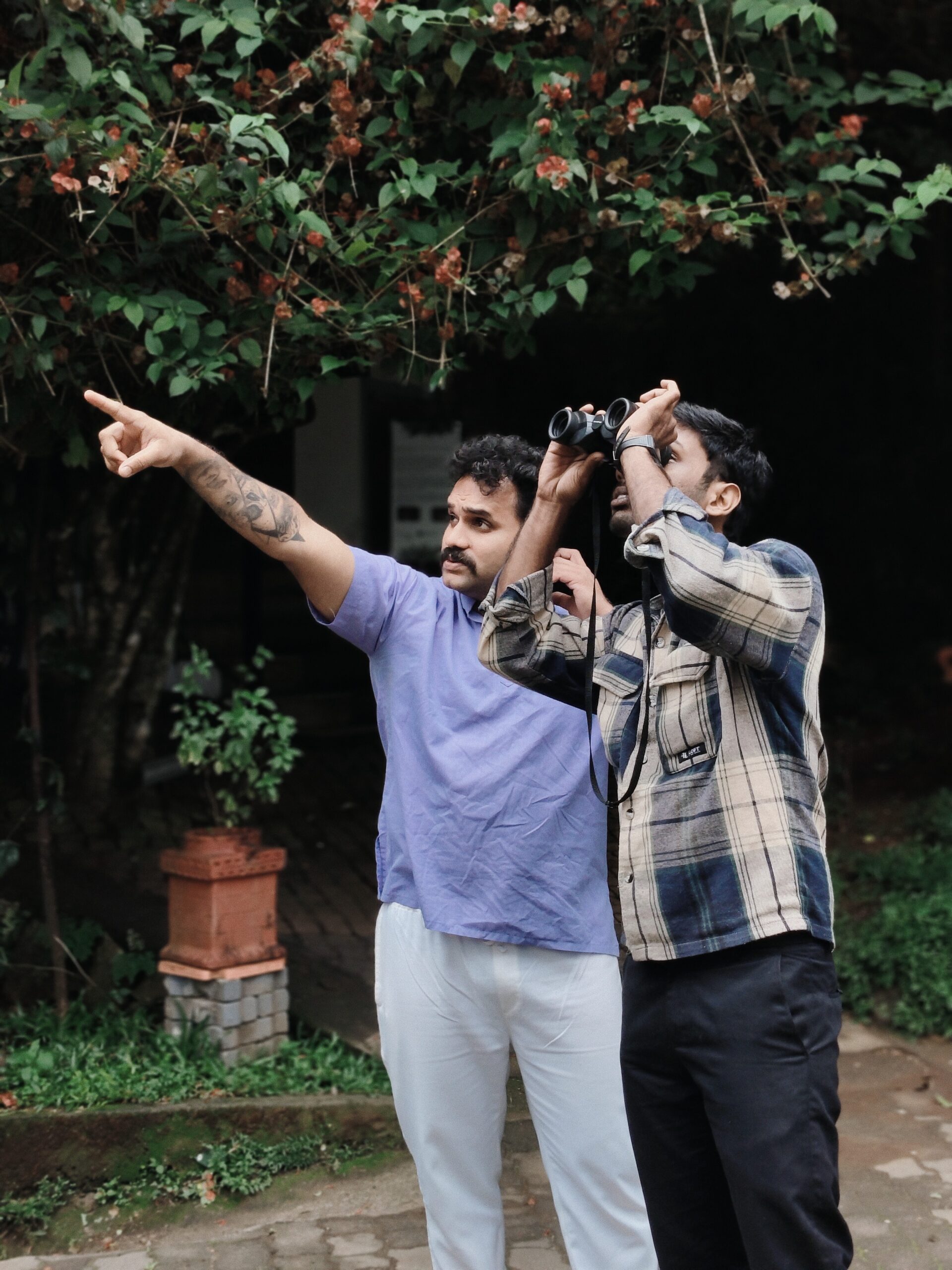

Blackberry Hills Journal · Birds & Nature
Where to look, when to listen, which habitats matter and how to enjoy birding around Munnar without turning the forest into a checklist.
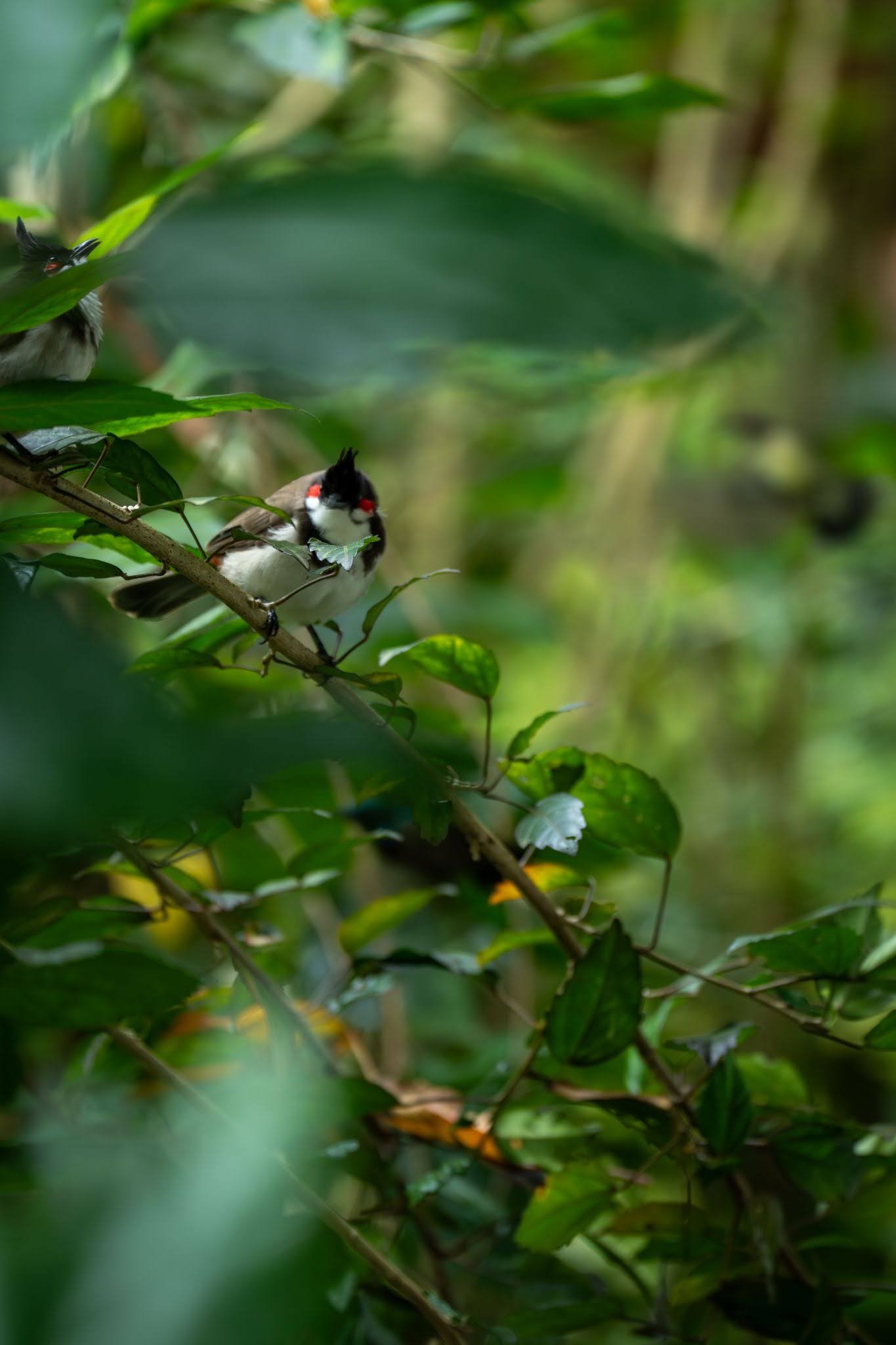
Birdwatching in Munnar is rewarding because the landscape keeps changing. Tea country meets forest edge, shola vegetation sits within open highland terrain, and elevation shifts can change what you hear and see within a relatively short distance.
At Blackberry Hills, that experience begins before you leave the property. The ten-acre mountainside estate has mature vegetation, quiet pathways and forest-edge habitat, so birding can happen during an ordinary walk to breakfast, from a balcony or while sitting quietly near the valley edge.
Why Munnar works so well for birdwatching
Munnar is not one single habitat. That is the main reason birding can feel varied even across a short stay.
Shola forest
Shola vegetation creates dense, cooler pockets of evergreen forest within the high-altitude grassland system of the southern Western Ghats. These forest patches, their edges and the transition into open country can all support different bird activity.
Tea-country edges
Tea plantations dominate much of Munnar’s visual identity, but for birders the edges are often more interesting than the planted slopes themselves. Trees, hedges, streams and uncultivated patches can create movement corridors and feeding areas.
Valleys, gardens and mature vegetation
Birdwatching does not always require a forest trail. Mature trees, fruiting plants, open perches and quiet garden edges can all produce sightings, especially early in the day.
Birds you may encounter around Munnar
Sightings vary with weather, season, elevation and luck, and no species can be guaranteed. Birds recorded in the Blackberry Hills field guide include:
Rather than treating this as a checklist, use it as an introduction to the kinds of birds and habitats you may encounter. For a deeper reference, open the interactive Birds of Blackberry Hills field guide, which documents 41 birds and lets you search and track sightings.
Listen before you look. In Munnar, a call often tells you where to raise your binoculars.
What is the best time of day for birdwatching?
Early morning is usually the most productive window. Activity is often easier to notice before roads, paths and public spaces become busier, and cooler conditions can make walking more comfortable.
Late afternoon can also be rewarding. The exact pattern changes with mist, rain, flowering and fruiting plants, temperature and local disturbance.
If birding matters to you, avoid squeezing it between sightseeing stops. A quiet hour with no fixed target is often more useful than rushing through three locations.
What is the best season for birdwatching in Munnar?
Birding is possible year-round, but the experience changes with the season. Clearer, cooler months can make long outdoor walks easier, while monsoon and post-monsoon periods transform vegetation and alter visibility, sound and movement.
The more useful approach is to match expectations to conditions. Rain can reduce long-distance visibility but make forest-edge birding feel more atmospheric. Clear mornings may make open-country scanning easier. No single month guarantees the same species or the same activity.
Birdwatching at Blackberry Hills
At Blackberry Hills, the cottages are spread across the slope rather than concentrated in one building. Guests naturally move through different elevations, trees and pathways during the day, which makes bird activity part of the stay rather than a separate excursion.
Some sightings happen from balconies and sit-outs. Others happen while walking to the restaurant or during the guided Shola and nature walk. A guide can also help interpret calls, movement and habitat that casual observers might miss.
The broader Things to Do in Munnar page brings birdwatching together with forest bathing, nature walks, tea-country experiences, trekking and other nature-led activities.
Birdwatching etiquette matters
Good birding should reduce disturbance, not create it. Avoid chasing birds for photographs, approaching nests, making repeated loud calls or using playback excessively. Stay on established paths where possible and give feeding or nesting birds space.
This is especially relevant in quiet forest-edge environments, where the quality of the experience depends on how little disruption people create.
Blackberry Hills’ quiet approach to the estate aligns naturally with this. Birdwatching works best when the environment is allowed to remain itself.
What should you bring?
- Compact binoculars
- Comfortable walking shoes with grip
- A light rain layer
- A notebook or birding app
- A camera with a moderate telephoto lens if photography matters to you
- Water
- Patience
You do not need specialist equipment to enjoy birding. A pair of binoculars and the willingness to stop walking for a few minutes can change what you notice.
Planning a bird-focused stay in Munnar
If birds are one of the main reasons for your trip, combine several habitat types rather than trying to maximize the number of sightseeing stops. Leave time for the estate, a guided nature walk and one or two wider Munnar outings at different elevations.
Use the Blackberry Hills bird field guide before or during your stay, then explore the broader nature and activity guide to Munnar to build the rest of the trip around the landscape.
Birdwatching in Munnar FAQs
What is the best time for birdwatching in Munnar?
Early morning is usually the most productive period, with late afternoon also worth trying. Weather and habitat conditions can change activity from day to day.
Can I go birdwatching at Blackberry Hills?
Yes. Bird activity can be noticed around the estate itself, including pathways, mature vegetation, balconies and forest-edge areas. Guided nature walks can add more context.
How many birds are in the Blackberry Hills field guide?
The current Birds of Blackberry Hills field guide documents 41 birds. It is a reference to recorded and featured species, not a guarantee that every visitor will see all of them.
Do I need binoculars?
They help, especially for canopy birds and distant perches, but they are not essential for enjoying bird activity around the estate.
Continue reading