
Blackberry Hills Journal · Tea Country
A practical guide to walking through Munnar’s tea country, from choosing the right kind of experience to access, etiquette, weather, footwear and what makes a plantation walk different from a factory visit.
Tea is Munnar’s most familiar landscape, but seeing it through a car window and walking through tea country are very different experiences. On foot, the clipped rows become contours, working paths and changing views, with forest edges, birds and the rhythm of plantation life becoming easier to notice.
A good tea plantation walk is not simply a photo stop. It is a way to understand how cultivation has shaped the hills, while remembering that many estates are working properties rather than public parks. Access matters, and the best walks are those arranged through authorised guides, estates or recognised local operators.
What is a tea plantation walk in Munnar?
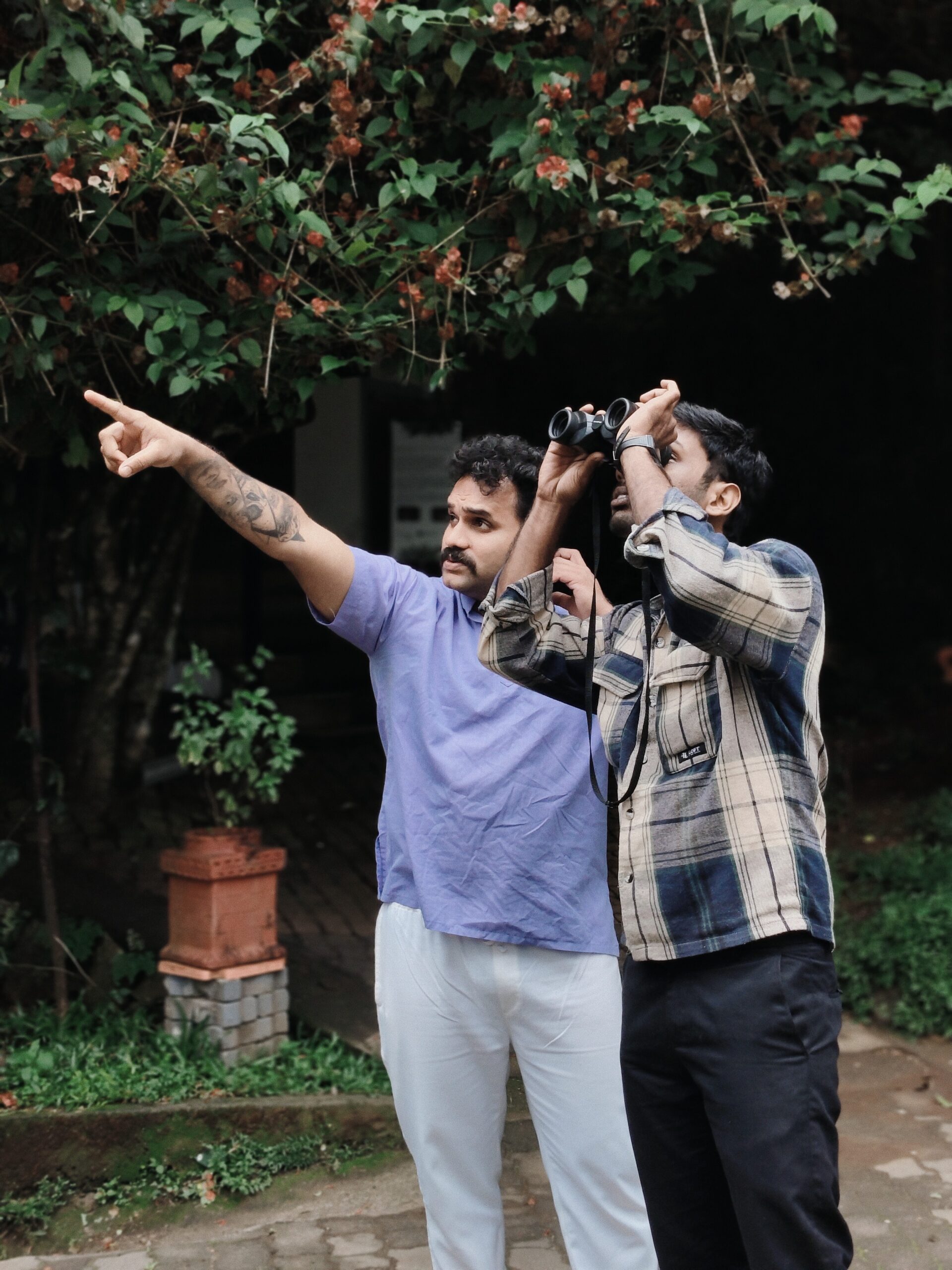
At its simplest, it is a guided or permitted walk through tea-growing country rather than a drive between viewpoints. Kerala Tourism describes Munnar nature walks as routes through tea estates, forest fringes and high-altitude landscapes, with attention to flora, plantation history and the local climate.
The character varies considerably. Some walks stay close to cultivated slopes and estate roads. Others combine tea country with forest edges, viewpoints or steeper paths. A short, gentle walk can suit travellers who mainly want scenery and context, while longer routes can feel closer to a hike.
This variation is why it is better to ask what a specific walk involves than to assume every “tea trail” is the same.
Where can you experience tea-country walks around Munnar?
Tea landscapes surround Munnar, but access is not uniform. Many plantations are privately managed working estates, so being able to see a tea garden from a road does not automatically mean visitors can enter it.
Estate and guided nature walks
These are usually the simplest option for travellers who want to walk responsibly. A guide can explain where access is permitted, distinguish plantation paths from restricted working areas and add context about the landscape rather than treating the estate as a backdrop.
Kolukkumalai
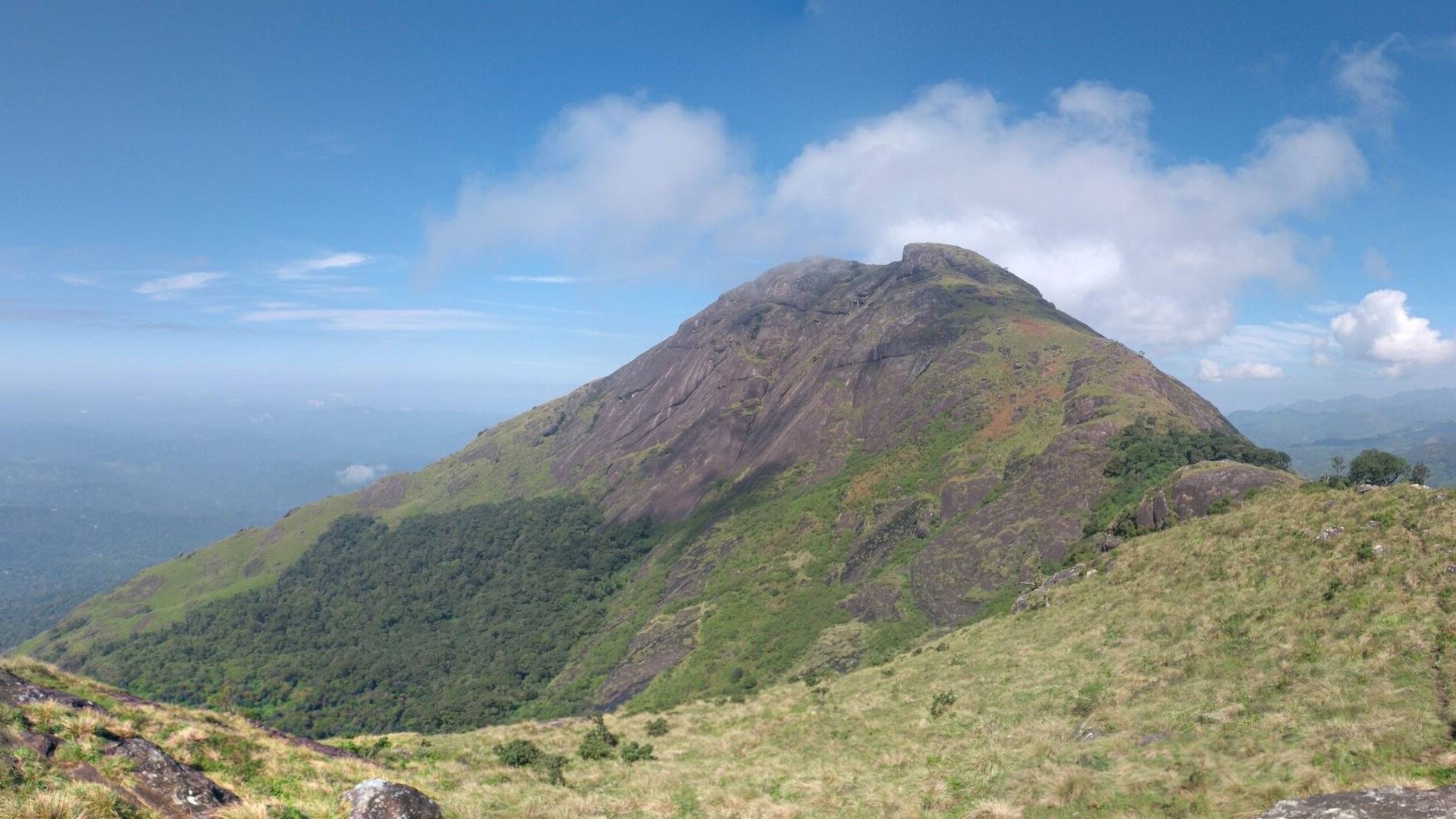
Kolukkumalai combines high-elevation tea country with an old tea factory and expansive views. Kerala Tourism describes plantation pathways that visitors can stroll along, while the hilltop itself is reached by jeep. It is better treated as a substantial outing than as a quick walk from Munnar town.
Suryanelli and the wider tea belt
Suryanelli is another tea-growing landscape where Kerala Tourism notes the appeal of leisurely estate walks. As elsewhere, current access should be checked locally rather than assumed from an old map or blog post.
Anayirankal and the southern Munnar landscape
Tea plantations extend across the hills and valleys around Anayirankal. The area works well for travellers who enjoy gentler scenery and want to combine tea-country views with other stops, but plantation entry should still be through legitimate access.
Munnar’s plantations are workplaces and much of the land is privately managed. Use authorised paths, follow estate or guide instructions, and ask before photographing workers at close range.
What should you expect on a tea walk?
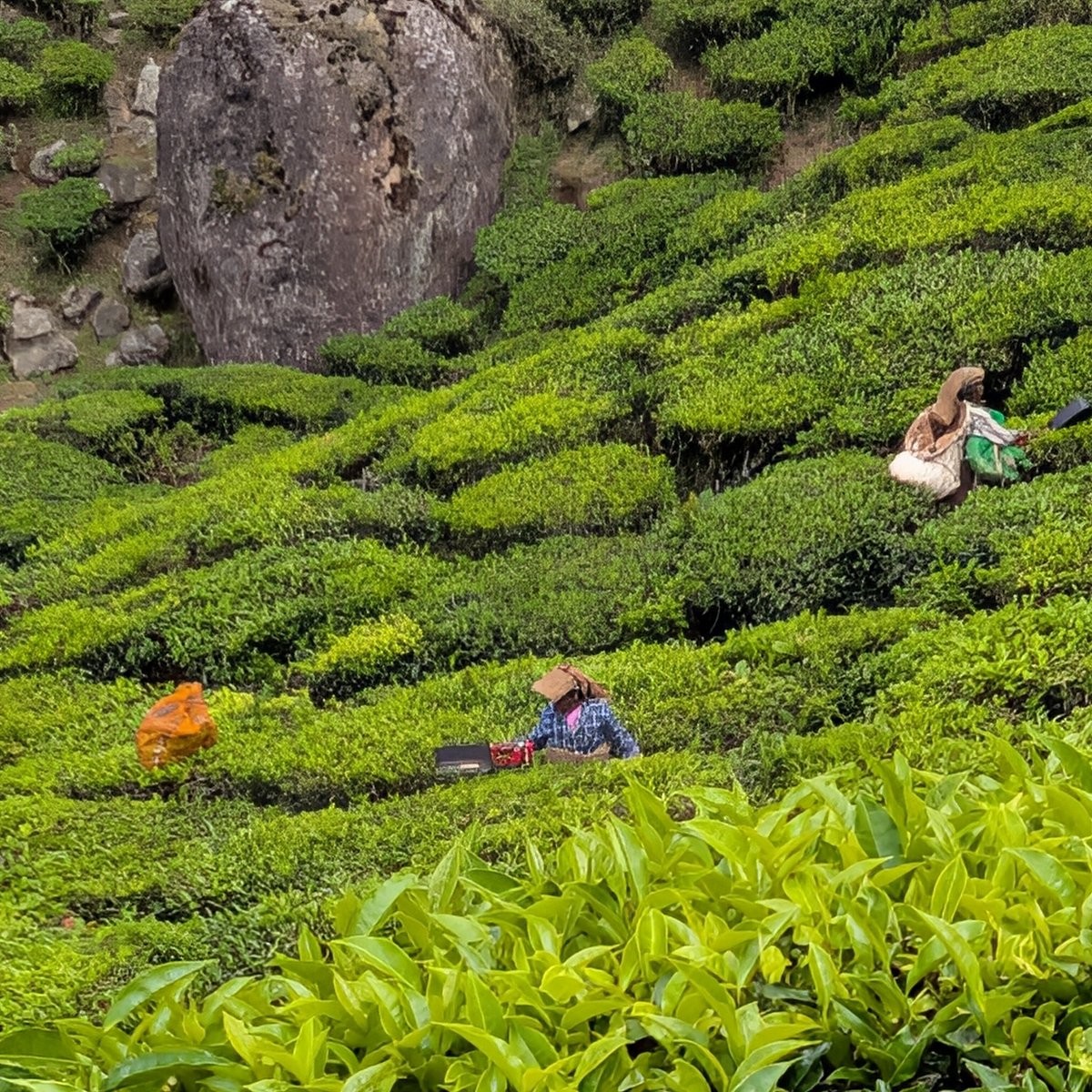
The most rewarding part is often the scale. Tea bushes that look like a smooth green surface from a viewpoint become individual rows separated by narrow paths and drainage lines. The terrain reveals how steep many of Munnar’s plantations actually are.
A thoughtful guide may explain pruning, plucking, the age of bushes, shade trees, seasonal work and how harvested leaves move from field to factory. You may also notice that tea country is not ecologically uniform. Plantation edges can meet remnant forest, grassland, streams, settlements and roads within a short distance.
Do not expect a staged tea-plucking demonstration on every walk. Working conditions and estate operations change from day to day. The experience is better when it responds to what is genuinely happening rather than manufacturing a performance for visitors.
Walk for the landscape first. The photographs tend to take care of themselves.
Tea-estate etiquette: a few things matter
- Stay on permitted paths. Do not cross fences, barriers or planted rows simply for a photograph.
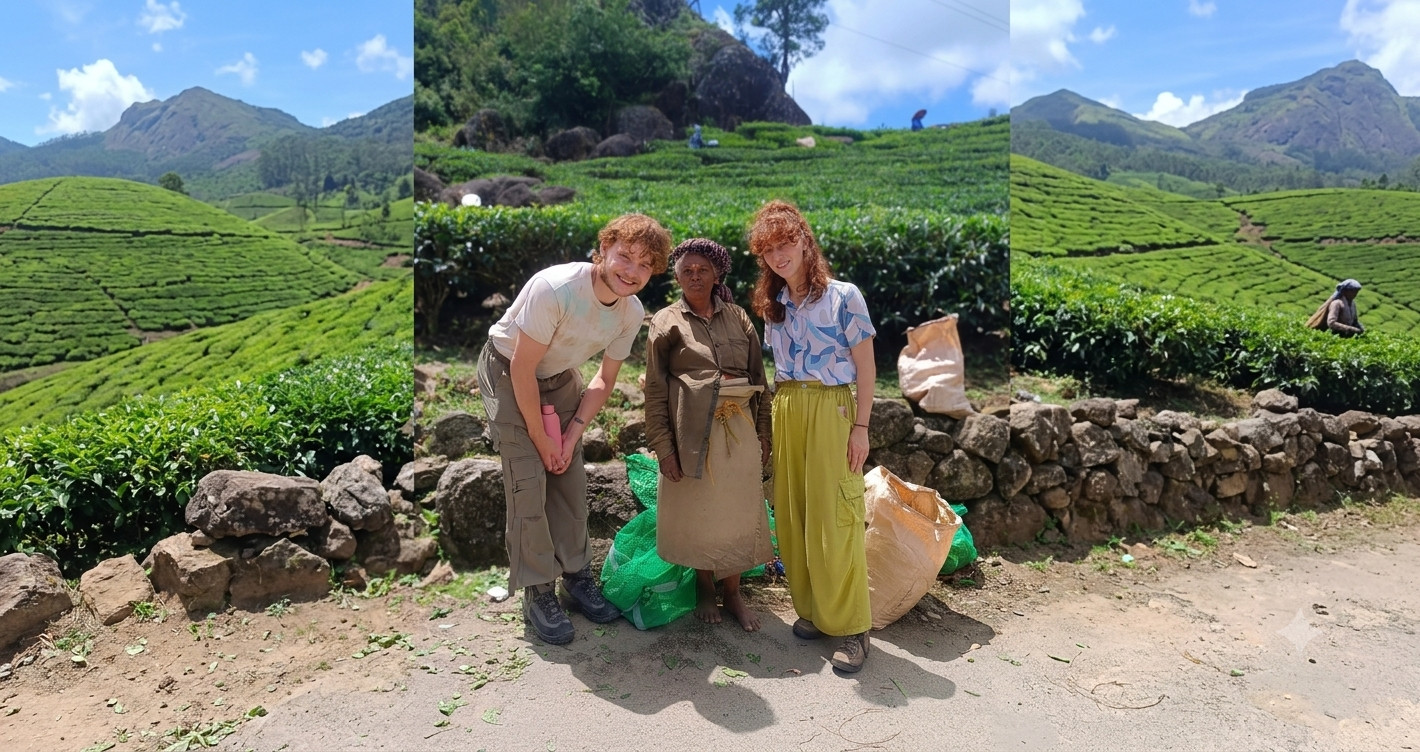
- Remember that people are working. Give plantation workers space and ask before taking identifiable close-up photographs.
- Do not pluck tea leaves unless explicitly invited. The crop belongs to the estate and plucking is skilled work.
- Keep noise low. Quiet walking is better for other visitors, workers and wildlife along forest edges.
- Carry waste back. Tea slopes are agricultural landscapes, not places to leave food wrappers or bottles.
- Follow current local guidance. Weather, estate operations and access arrangements can change.
When is the best time for a tea plantation walk?
Early morning is particularly rewarding. Kerala Tourism recommends early starts for Munnar nature walks, when temperatures are cooler and mist may begin lifting from the hills. Morning light also gives the rows and contours more definition.
There is no single month in which tea country suddenly becomes worth seeing. Munnar remains green through much of the year, but walking conditions change with the seasons. The drier months generally make paths easier, while monsoon periods can bring richer greens along with rain, mud, leeches in some natural areas and reduced visibility.
If you are travelling during wet weather, keep the plan flexible. A shorter tea walk can be more enjoyable than forcing a long route through persistent rain.
What should you wear and carry?
You do not need technical trekking equipment for a gentle plantation walk, but the combination of slopes, damp ground and uneven paths makes sensible footwear important.
- Walking shoes with reliable grip
- Light rain protection when showers are possible
- Drinking water
- Sun protection for exposed sections
- A light layer for cool or windy mornings
- A small bag rather than bulky luggage
For longer or more natural routes, ask the guide whether leech protection or more substantial footwear is appropriate for current conditions.
Tea plantation walk or tea factory visit?
They answer different questions. A plantation walk is about the growing landscape, terrain and life around the tea bushes. A factory visit is about what happens after leaves are harvested: withering, rolling or crushing, oxidation, drying, sorting and grading.
If tea is a major interest, doing both gives the clearest picture. Start with the landscape, then follow the leaf into processing and tasting. If you have time for only one, choose according to whether you are more interested in being outdoors or understanding production.
For the processing side, see our separate guide to tea factories in Munnar. Keeping the two experiences distinct also makes trip planning easier.

Tea and slow travel at Blackberry Hills
Blackberry Hills sits in Pothamedu, where tea country, valley views and forested high-range landscapes meet. For resident guests, tea tasting offers a slower way to explore the subject without turning the day into a checklist of attractions.
If walking is the larger reason for your trip, explore our Munnar experiences, including nature-led activities and mountain walks. Our Chokramudi trek guide is useful when you want something more demanding than a plantation stroll, while the Munnar Travel Guide helps place tea country within a wider stay.
Tea plantation walk FAQs
Can tourists walk through tea plantations in Munnar?
Yes, there are tea-estate and nature-walk experiences around Munnar, but access varies because many plantations are privately managed working properties. Use permitted routes and arrange access through an estate, authorised guide or recognised operator rather than assuming every tea garden is open to the public.
What is the best time of day for a tea walk?
Early morning is a good choice because temperatures are cooler and the changing mist and light can make the landscape especially atmospheric. Conditions vary, so check the weather and local advice.
Do I need trekking shoes?
For a gentle estate walk, comfortable walking shoes with good grip are usually more important than technical trekking boots. Longer, steeper or wet routes may justify sturdier footwear.
Is a tea plantation walk the same as a tea factory tour?
No. A plantation walk focuses on the growing landscape and estate environment. A factory tour focuses on processing the harvested leaf. They complement each other well.
Can I pluck tea leaves during a walk?
Only if the estate or guide specifically permits it as part of an organised experience. Tea is a commercial crop, and visitors should not pick leaves independently.
For current destination information, see Kerala Tourism’s guidance on nature walks in Munnar and its Kolukkumalai tea-country guide. Verify access and local conditions close to your visit.